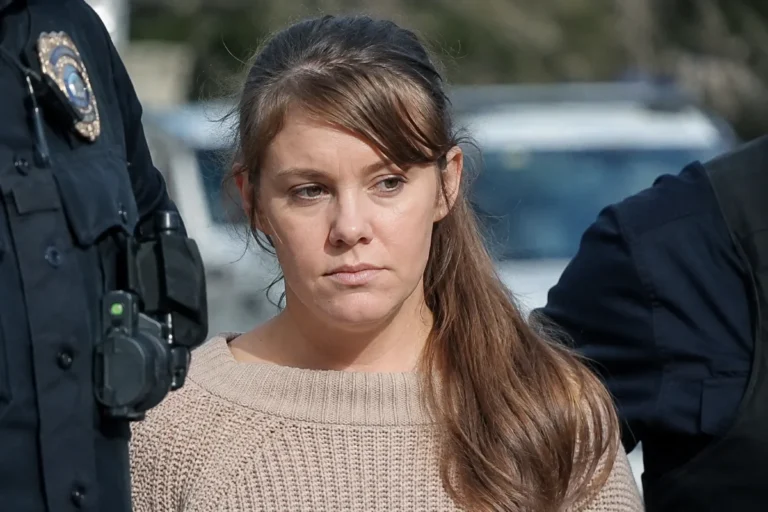
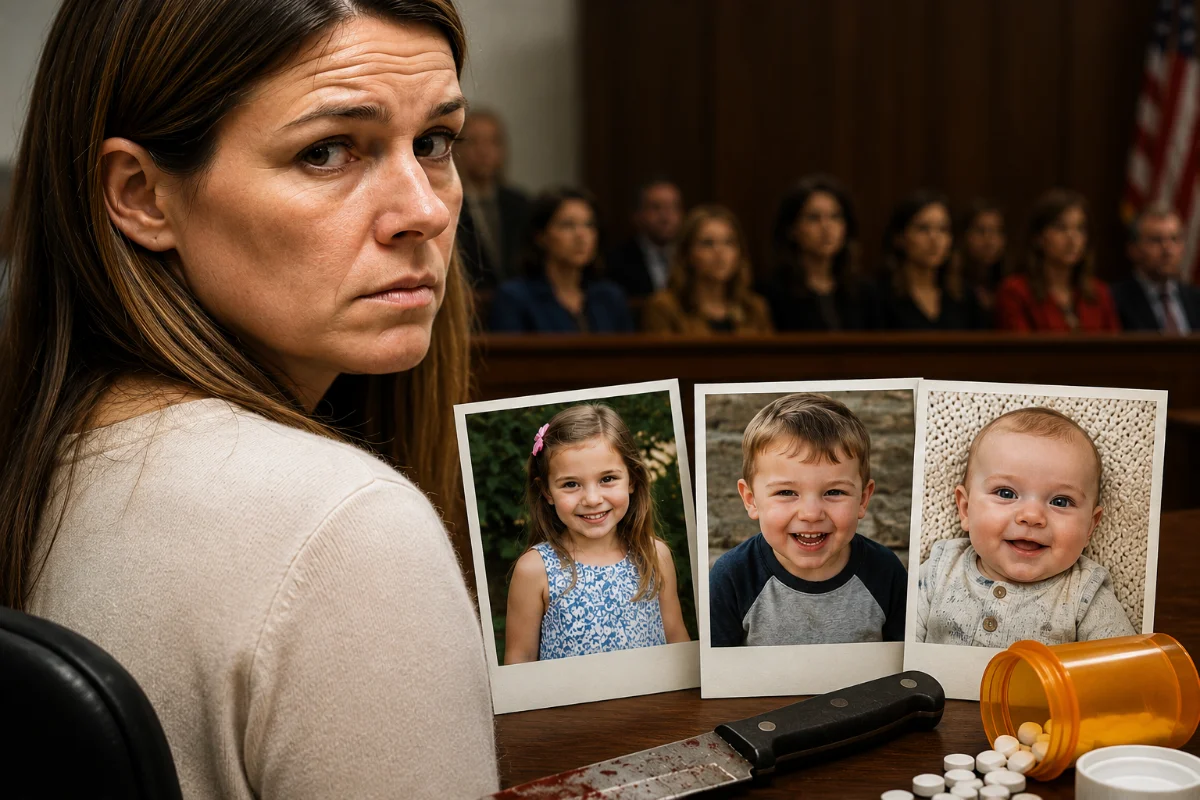
The Lindsay Clancy murder trial has reached a critical stage, with jurors still trying to reach a unanimous decision about whether the former Massachusetts nurse was criminally responsible for the deaths of her three children.
Clancy, 36, is charged with murdering her daughter, Cora, 5, and her sons, Dawson, 3, and Callan, 8 months, inside the family’s Duxbury home on January 24, 2023.
Clancy does not dispute that she caused the children’s deaths. The central issue at trial is her mental state at the time.
Her defense argues that she was experiencing severe mental illness, including postpartum psychosis, and should be found not guilty by reason of lack of criminal responsibility. Prosecutors argue that, despite her mental health struggles, she understood what she was doing and appreciated that her actions were wrong.
As of September 2, 2026, the jury has entered its fifth day of deliberations. After reporting that it could not reach a unanimous decision, the jurors were instructed to continue their discussions, according to Reuters’ trial update. No verdict had been announced at the time of this update.
What Happened to Lindsay Clancy’s Children?
According to the prosecution, Lindsay Clancy strangled Cora, Dawson and Callan with exercise bands while her husband, Patrick Clancy, was briefly away from their home.
Patrick had left to pick up food and medication. When he returned, he found Lindsay Clancy seriously injured outside after she had jumped from a second-story window in what has been described as a suicide attempt.
Emergency responders later found the three children inside the home.
Cora and Dawson died from their injuries. Callan was taken for emergency medical treatment but died several days later.
The deaths themselves are not the primary factual dispute at trial. Instead, the case has centered on whether Lindsay Clancy was legally responsible for her actions when the children were killed.
Who Is Lindsay Clancy?
Lindsay Clancy was a labor and delivery nurse living in Duxbury, Massachusetts, with Patrick Clancy and their three children.
In the months before the deaths, she had received psychiatric treatment and was prescribed a series of medications while seeking help for worsening mental health problems.
Her medical history became a major focus of the trial.
The defense presented evidence that Clancy’s condition had deteriorated and argued that she was experiencing a severe psychiatric crisis. Prosecutors did not dispute that she had mental health problems but argued that the evidence did not establish that she had lost the legal capacity required for a finding of lack of criminal responsibility.
What Did Patrick Clancy Testify?
Patrick Clancy became one of the most significant witnesses because he could describe both Lindsay Clancy’s mental health struggles and what happened on January 24, 2023.
He testified about her treatment and behavior in the period leading up to the children’s deaths.
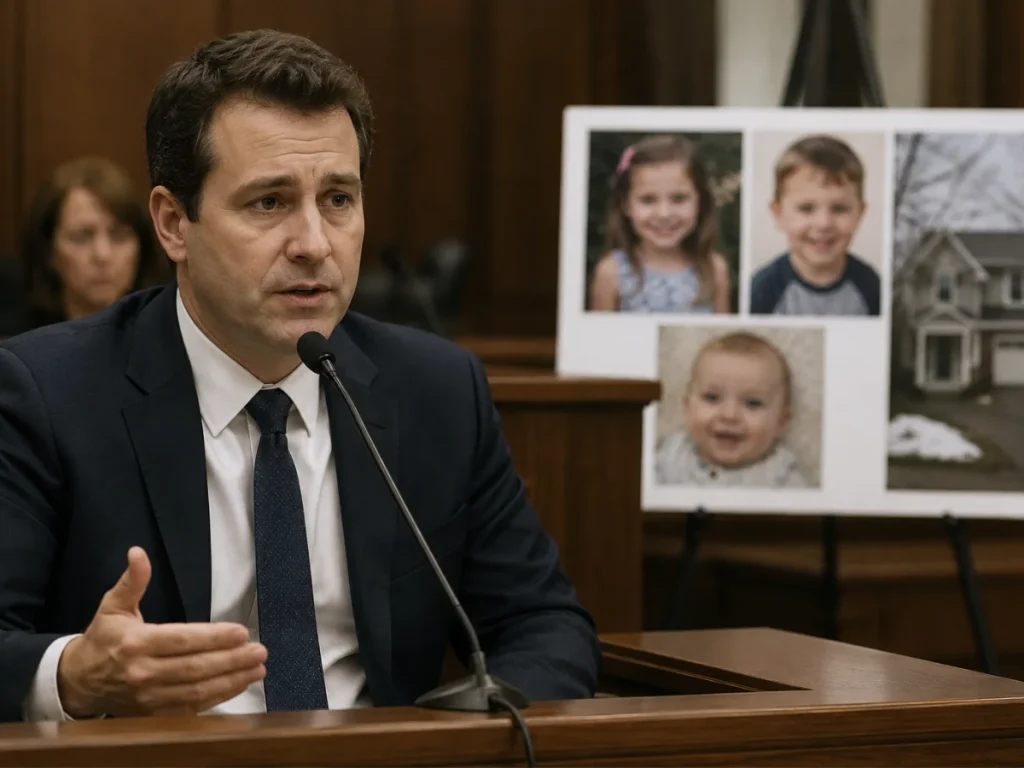
He also described leaving the house briefly that evening before returning to find his wife injured outside the home. His testimony gave jurors a firsthand account of the family’s circumstances before the tragedy and the events that followed.
Patrick and Lindsay later divorced, and Patrick has since remarried, as reported during Patrick Clancy’s testimony coverage.
Is Lindsay Clancy Paralyzed?
Yes.
Lindsay Clancy was left paralyzed from the waist down after jumping from a second-story window following the deaths of her children.
She has appeared in court using a wheelchair.
Her physical condition does not determine whether she is criminally responsible for the deaths. However, the circumstances surrounding the jump have formed part of the evidence about the events of January 24, 2023.
What Charges Does Lindsay Clancy Face?
Lindsay Clancy faces three murder charges, one connected to the death of each child.
She has pleaded not guilty and raised a defense of lack of criminal responsibility.
Depending on its findings and the instructions given by the court, the jury may consider murder, lesser included offenses, or a finding of not guilty by reason of lack of criminal responsibility.
A conviction for first-degree murder carries a mandatory sentence of life in prison without the possibility of parole in Massachusetts.
A finding of lack of criminal responsibility would not automatically result in Clancy’s release. It could lead to further psychiatric proceedings and possible civil commitment.
What Is the Massachusetts Standard for Lack of Criminal Responsibility?
The legal question is governed by the standard established in Commonwealth v. McHoul.
Under that standard, a defendant may be found not criminally responsible if, because of a mental disease or defect, the person lacked substantial capacity either to appreciate the wrongfulness of the conduct or to conform that conduct to the requirements of the law.
That is different from simply establishing that a defendant had a mental illness.
The jury must determine whether Lindsay Clancy’s mental condition met that legal threshold when the children were killed.
Defense experts concluded that it did. Prosecution experts disagreed.
The Massachusetts rule on lack of criminal responsibility.
What Evidence Was Presented During the Trial?
The trial included testimony from dozens of witnesses and hundreds of exhibits.
Much of the evidence focused on Lindsay Clancy’s psychiatric treatment, medication history and behavior before January 24, 2023.
Other evidence included:
- Psychiatric and medical records
- Prescription medications
- Testimony from family members and medical professionals
- Digital evidence from Clancy’s phone and other devices
- Physical evidence from the investigation
- Competing expert opinions about her mental state
Jurors also requested to review physical exhibits, including prescription medication bottles, during deliberations.
The same evidence was often interpreted differently by the prosecution and defense.
The defense presented the records and expert testimony as evidence of a severe psychiatric crisis. Prosecutors argued that the evidence did not establish that Clancy lacked criminal responsibility under Massachusetts law.
Why Are Prescription Medications Important to the Case?
Prescription medications became a significant part of the trial because Lindsay Clancy had been receiving psychiatric treatment before the deaths.
The defense argued that her treatment and medication changes formed part of a worsening mental health crisis.
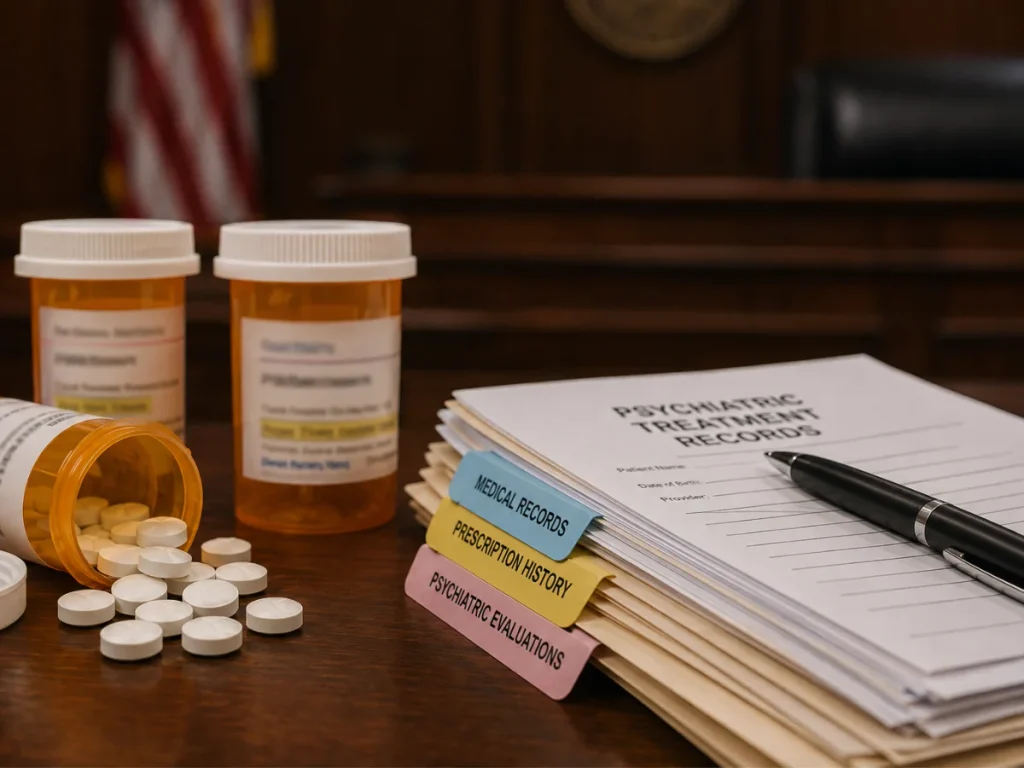
Prosecutors challenged that interpretation and argued that the evidence did not establish that medication or mental illness deprived Clancy of criminal responsibility.
The issue matters because the jury is not deciding only whether Clancy was struggling psychologically.
It must determine whether her mental condition satisfied the specific legal standard required for a finding of lack of criminal responsibility.
That is why medical records, prescription history and psychiatric expert testimony received such extensive attention during the trial.
What Is Happening With the Jury Now?
The jury began deliberating after closing arguments.
After four days of deliberations, jurors informed Judge William Sullivan that they had been unable to reach a unanimous decision.
Rather than immediately declaring a mistrial, the judge instructed them to continue deliberating.
The jury returned on September 2, 2026, for a fifth day.
At this stage, the reported deadlock does not mean that Lindsay Clancy has been convicted or acquitted. It means the jurors have not yet reached the unanimous decision required to resolve the case.
The length of deliberations also does not reveal which outcome, if any, the jury is moving toward.
What Happens if the Jury Cannot Reach a Verdict?
If the jurors ultimately remain unable to reach a unanimous decision, Judge Sullivan could declare a mistrial because of a hung jury.
A mistrial would not amount to an acquittal.
Prosecutors could then decide whether to retry Lindsay Clancy before a new jury or take another procedural step permitted under Massachusetts law.
However, no mistrial had been declared as of September 2, 2026.
For now, the existing jury continues its deliberations.
The Lindsay Clancy Case Remains Unresolved
More than three years after the deaths of Cora, Dawson and Callan, the Lindsay Clancy case has reached its most consequential stage.
The jury must decide whether the prosecution proved that Clancy was criminally responsible for the deaths or whether her mental condition met Massachusetts’ legal standard for lack of criminal responsibility.
As of September 2, 2026, no unanimous verdict had been reached.
Deliberations continue, leaving the outcome of one of Massachusetts’ most closely watched criminal trials unresolved.