The jury in the Lindsay Clancy murder trial completed its third day of deliberations on Monday, August 31, without reaching a verdict.
The 12-member jury, made up of nine women and three men, began deliberating on Thursday, August 27, after more than five weeks of testimony and closing arguments. Jurors spent about three and a half hours deliberating Thursday and roughly seven hours on Friday before they were sent home for the weekend.
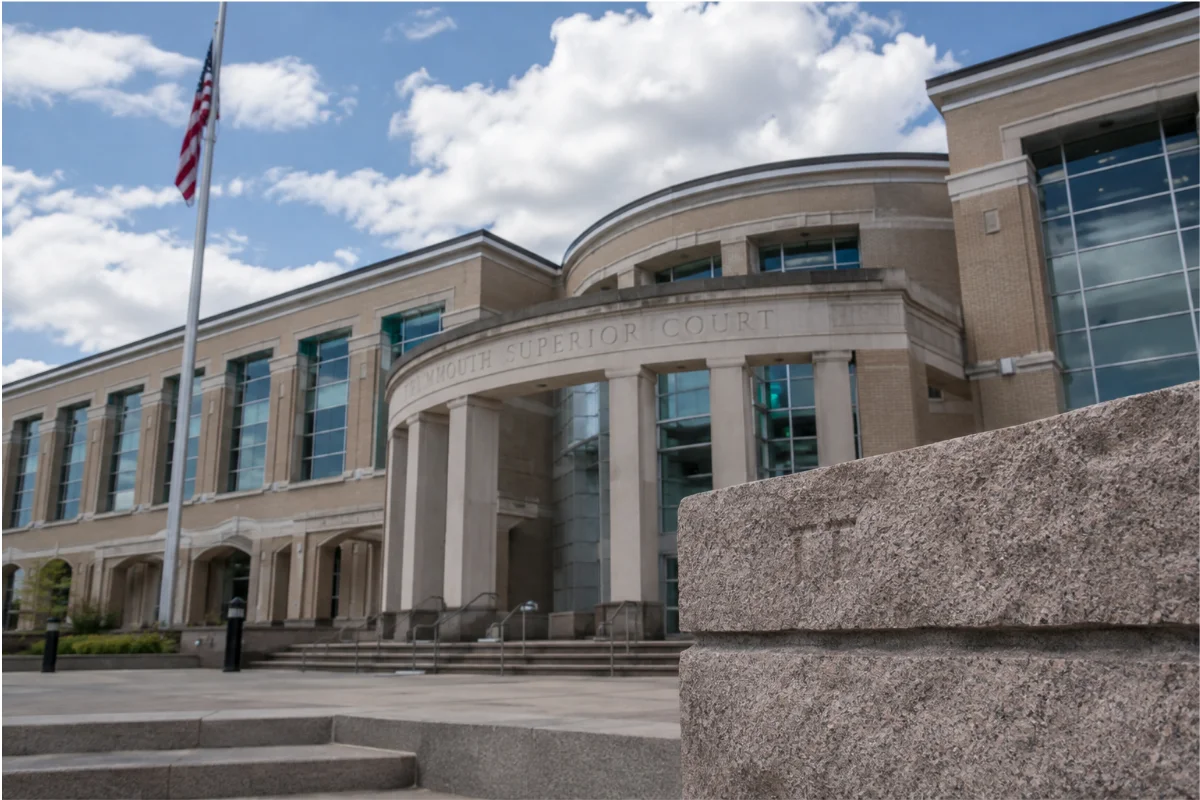
They returned to Plymouth Superior Court on Monday, but the day ended without a decision. The Associated Press reported that deliberations were expected to continue.
Lindsay Clancy, 36, faces three murder charges in connection with the deaths of her children, Cora, 5, Dawson, 3, and Callan, 8 months. Her defense has argued that she lacked criminal responsibility at the time of the killings because of severe postpartum mental illness.
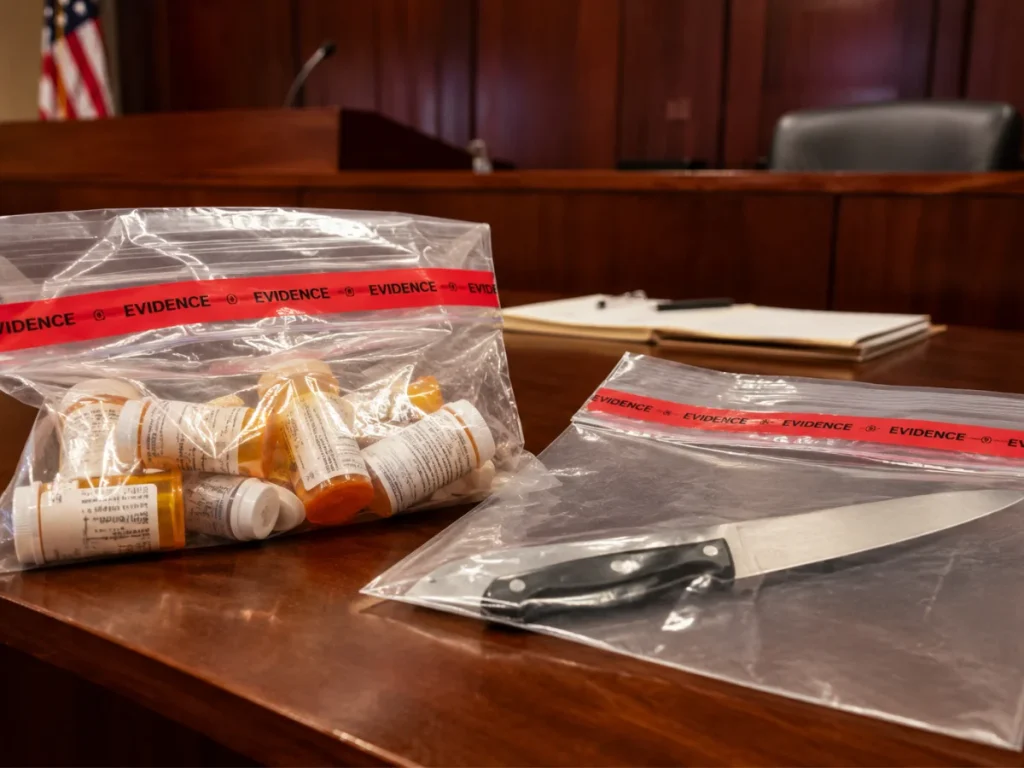
The Jury Asked to Review the Knife and Prescription Bottles
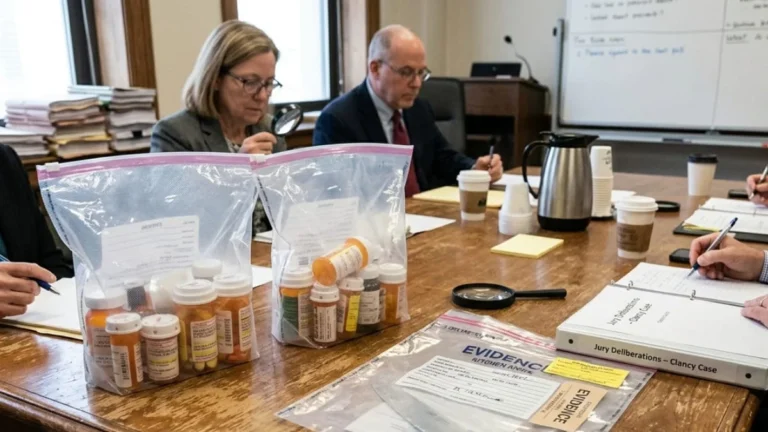
Before the weekend break, the jury asked to see several pieces of evidence again.
Defense attorney Kevin Reddington said jurors requested the knife connected to Clancy’s suicide attempt and bags containing prescription pill bottles. The items were later provided for the jury to review. The Boston Globe reported on the evidence request and the continuing deliberations.
The knife relates to Clancy’s actions after the children’s deaths, while the prescription medications were part of the extensive testimony about her psychiatric treatment before January 24, 2023.
The jury has not publicly explained why it wanted to review those exhibits, and the request does not establish how jurors may ultimately decide the case.
More Than 80 Witnesses and Hundreds of Exhibits
The jury is reviewing a large amount of evidence from a trial that lasted more than five weeks.
More than 80 witnesses testified, while jurors were presented with hundreds of exhibits, including medical records, psychiatric evaluations, digital evidence and physical evidence from the investigation.
Reddington also pointed to the volume of evidence when discussing the length of deliberations, noting that jurors had a substantial amount of material to consider.
The case involves three separate charges, meaning jurors must evaluate each count individually rather than simply reaching one overall conclusion about the case.
The Five Possible Verdicts in the Lindsay Clancy Trial
Judge William Sullivan instructed the jury on several possible outcomes.
Jurors may find Clancy guilty of first-degree murder, second-degree murder or manslaughter. They may also find her not guilty or not guilty by reason of lack of criminal responsibility.
Manslaughter was included as a lesser offense for the jury to consider. Boston 25 News reported on the verdict options available after the case went to the jury.
The consequences would vary significantly depending on the outcome.
A first-degree murder conviction in Massachusetts carries a mandatory sentence of life in prison without the possibility of parole.
A finding that Clancy lacked criminal responsibility would not result in her automatic release. Instead, she would enter a separate legal process involving psychiatric evaluation and potential civil commitment, with future reviews determining whether continued confinement is necessary.
The Mental Health Defense Remains at the Center of the Decision
The prosecution and defense agree that Clancy experienced serious mental-health problems before the deaths. Their disagreement is over whether those problems reached the legal threshold required to eliminate criminal responsibility.
The defense argued that Clancy was suffering from postpartum psychosis and could not appreciate the wrongfulness of her actions.
Prosecutors argued that, despite her mental-health struggles, she remained capable of understanding what she was doing and deliberately carried out the killings.
Psychiatric experts offered conflicting conclusions throughout the trial, leaving the jury to decide which evidence and testimony it finds persuasive. Reuters reported on the competing arguments presented before deliberations began.
What Happens if the Jury Cannot Agree?
There is no deadline requiring the jury to reach a verdict within a specific period.
If jurors eventually report that they cannot reach unanimous decisions, Judge Sullivan could consider additional instructions or, if further deliberations appear unlikely to resolve the disagreement, declare a mistrial.
A mistrial resulting from a deadlocked jury would not amount to a conviction or an acquittal. Prosecutors would then decide whether to pursue another trial.
At the end of August 31, however, there had been no public indication that the jury had reached that point. The jurors were continuing their discussions.
For now, the Lindsay Clancy verdict remains unresolved. After completing three days of deliberations and reviewing evidence from a five-week trial, the jury had not announced a decision.
The next major development will come when the jurors reach their decisions on the three charges or inform the court that they are unable to do so.