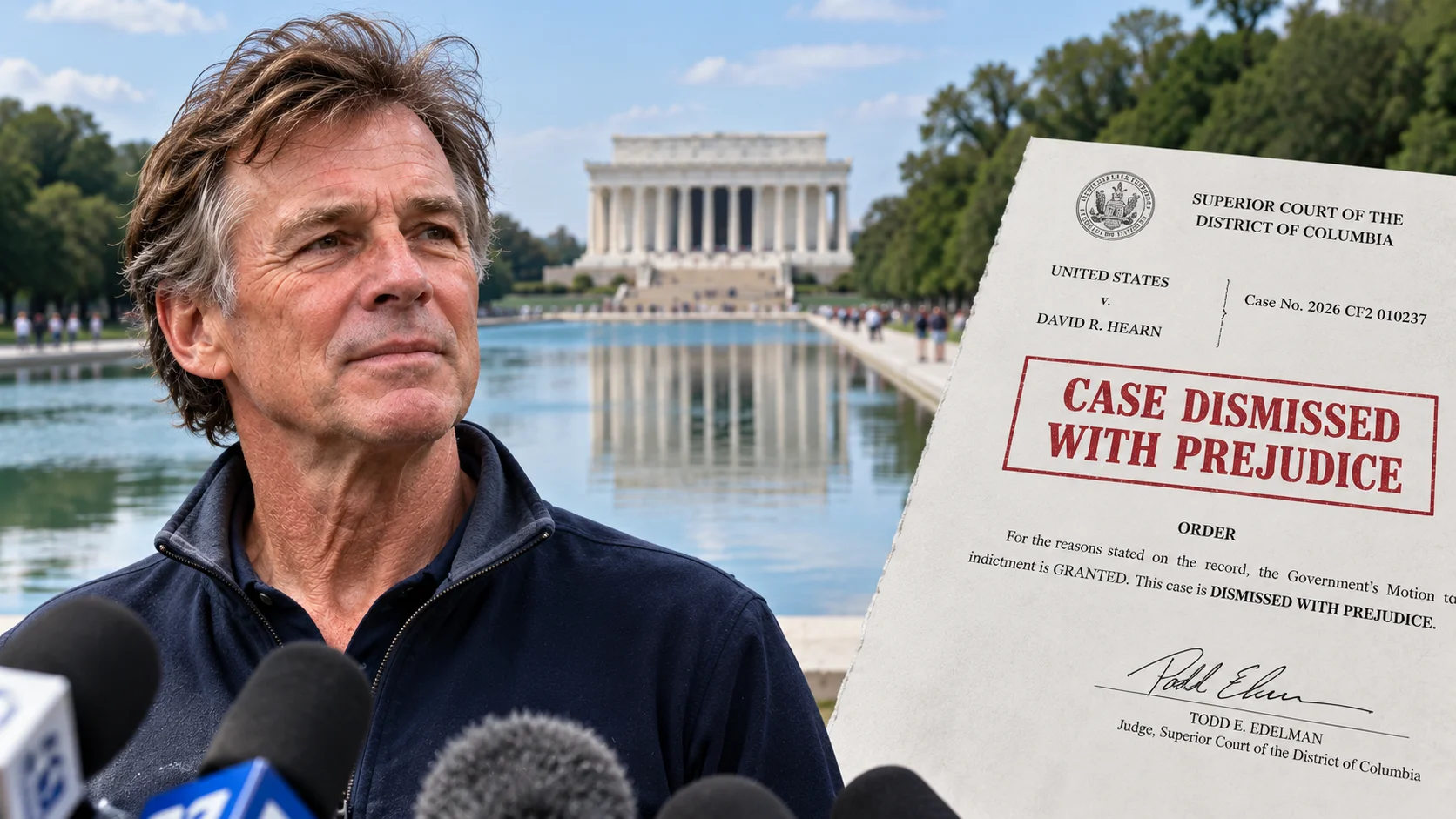
The criminal case against former Olympic canoeist David Hearn over alleged damage to the Lincoln Memorial Reflecting Pool has ended with a permanent dismissal.
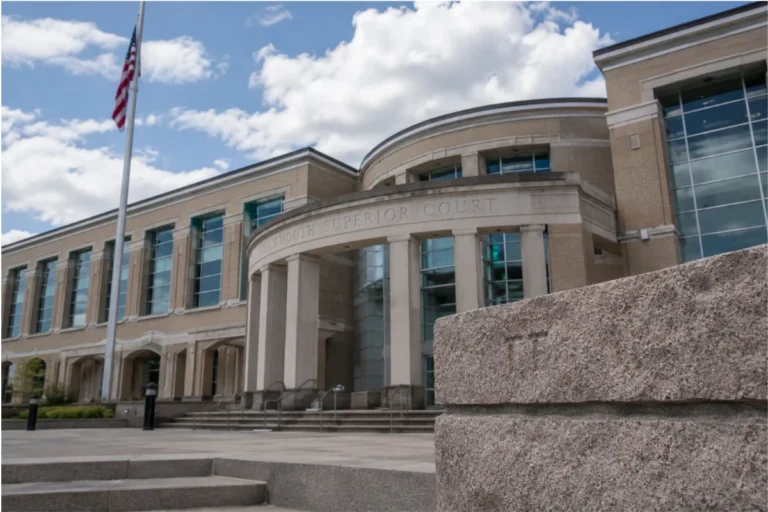
On October 1, 2026, D.C. Superior Court Judge Todd E. Edelman dismissed the case with prejudice, meaning prosecutors cannot refile the same case against Hearn. The ruling came after prosecutors had already moved to abandon the felony prosecution following evidence indicating that the pool’s widespread deterioration was linked to problems with its installation rather than damage caused by Hearn.
The case had begun with a felony indictment and was heading toward trial before the government’s position changed. The latest ruling now closes the criminal prosecution.
Hearn Was Charged With Property Destruction
The incident occurred on June 19, 2026, when Hearn stopped at the Reflecting Pool while riding his bicycle.
Hearn said he touched a loose section of the pool’s recently installed coating. Prosecutors initially alleged that he deliberately ripped a piece of the coating from the bottom of the pool.
On July 2, a D.C. Superior Court grand jury indicted Hearn on one count of felony destruction of property under D.C. Code § 22-303. The original Department of Justice indictment announcement stated that the allegation involved damage to the newly installed blue pool sealant. The DOJ also emphasized that the charge was an allegation and that Hearn was presumed innocent unless proven guilty beyond a reasonable doubt.
The Defense Challenged the Government’s Evidence
Hearn pleaded not guilty and his attorneys began challenging the government’s case.
The defense questioned evidence concerning the condition of the pool and what damage could actually be attributed to Hearn. That distinction became increasingly important because substantial sections of the coating were already peeling.
The case therefore raised a basic evidentiary question: could prosecutors prove that Hearn caused the damage alleged in the indictment, rather than merely showing that he had touched material that was already deteriorating?
That question became even more important when prosecutors received additional information from the Interior Department.
Prosecutors Blamed the Installation
The government’s position changed sharply in July.
Prosecutors said newly obtained Interior Department information indicated that the widespread damage was connected to a flawed installation by the contractor and the rushed schedule for completing the renovation.
The Justice Department’s motion to dismiss, as reported by ABC News, described evidence that undermined the original theory that the damage was the result of vandalism by Hearn.
That development was significant because the government had initially presented Hearn’s conduct as deliberate destruction of government property.
Now prosecutors were telling the court that the underlying condition of the pool could instead be explained by problems with the renovation itself.
Why the Case Was Dismissed
On July 31, prosecutors moved to dismiss Hearn’s indictment.
The government said the new information made it difficult to prove beyond a reasonable doubt that the widespread damage was caused by vandalism.
That did not amount to a jury finding that Hearn was innocent. The case never went to trial.
Instead, the prosecution itself concluded that the available evidence did not support continuing the criminal case.
The important legal distinction is therefore:
Hearn was not acquitted after a trial. The prosecution was dismissed before trial.
Why “With Prejudice” Matters
The first dismissal did not immediately resolve whether prosecutors could ever bring the case back.
Hearn’s lawyers wanted the case dismissed with prejudice, while prosecutors sought a dismissal that would leave open the possibility of future prosecution.
That issue eventually reached Judge Edelman.
On October 1, the judge ordered the case dismissed with prejudice. The Washington Post’s report on Judge Edelman’s ruling explains that the ruling prevents prosecutors from refiling the charge against Hearn.
The judge described the circumstances as exceptional and concluded that the government should not retain the ability to revive the prosecution.
Trump Had Called for the Case to Continue
The dismissal also became part of a public dispute between President Donald Trump and prosecutors in the U.S. Attorney’s Office for the District of Columbia.
Trump criticized the decision to abandon the prosecution and continued to maintain that vandals were responsible for the pool damage.
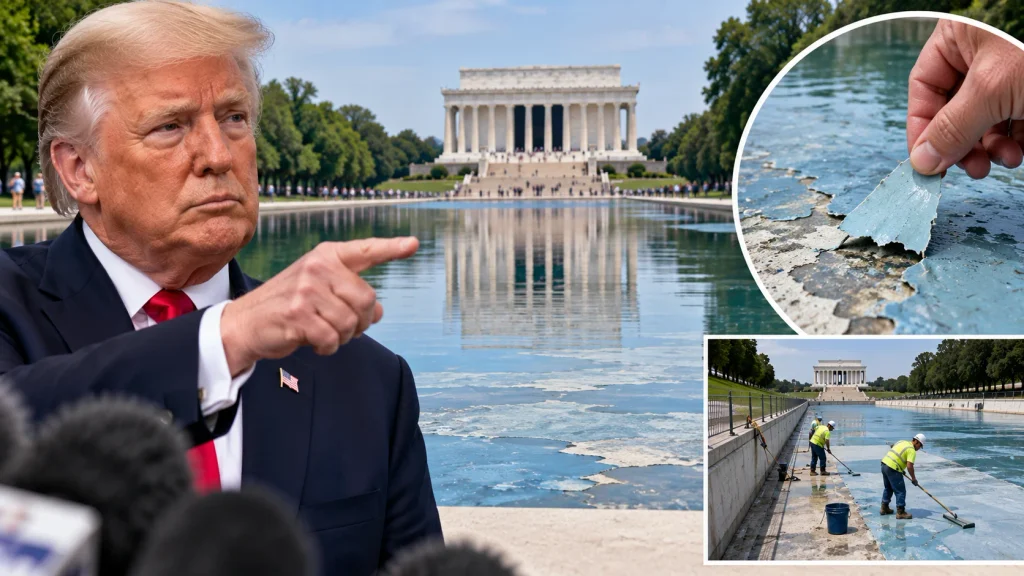
According to NBC Washington’s report on the final dismissal, Judge Edelman’s October 1 order addressed concerns about the possibility of renewed prosecution amid pressure from the president.
The judge ultimately concluded that Hearn should not remain exposed to the possibility of another prosecution after the government had already determined that the case lacked sufficient merit.
The Reflecting Pool’s Renovation Became Central
The condition of the pool was not a side issue. It became central to the government’s decision to abandon the case.
The Reflecting Pool had undergone a major renovation ahead of the nation’s 250th anniversary celebrations. The newly applied coating subsequently began peeling.
Prosecutors later attributed the widespread damage to problems with the installation rather than Hearn’s conduct. That explanation fundamentally weakened the original criminal theory.
The issue therefore shifted from who damaged the pool to why the new coating was failing in the first place.
The Other Reflecting Pool Cases
Hearn was not the only person accused in connection with the damaged coating.
Other people had also faced charges related to alleged damage at the Reflecting Pool. As the government reassessed the evidence surrounding the failed coating, those prosecutions also came under pressure.
This broader context matters because the government’s reversal was not limited to one isolated allegation against Hearn. The condition of the renovation itself became increasingly important to the government’s assessment of the cases.
Hearn Is Considering Further Legal Action
The criminal prosecution is now permanently closed.
Hearn’s legal team, however, has indicated that other legal options are being considered.
In his first public comments following the ruling, Hearn described the decision as a “victory for democracy.” His attorneys have also discussed the possibility of legal action against Trump and members of his administration.
In its October 2 report, ABC News’ interview with David Hearn after the dismissal reported that Hearn was considering further legal action.
That does not mean a new lawsuit has already been filed. Any civil or constitutional claim would be a separate proceeding with its own legal requirements.
David Hearn Case Timeline
| Date | Court or Government Action | What Happened |
| June 19, 2026 | Arrest | Hearn was arrested after the incident at the Lincoln Memorial Reflecting Pool. |
| July 2, 2026 | Grand jury indictment | Hearn was indicted for felony destruction of property under D.C. Code § 22-303. |
| July 9, 2026 | Arraignment | Hearn pleaded not guilty. |
| July 31, 2026 | Prosecutors seek dismissal | The government moved to dismiss after receiving information concerning problems with the pool’s installation. |
| August 2026 | Dismissal dispute | The parties disputed whether the case should be dismissed with or without prejudice. |
| September 2026 | Court hearing | The court considered whether prosecutors should retain the ability to seek another indictment. |
| October 1, 2026 | Final ruling | Judge Edelman dismissed the case with prejudice, preventing the government from bringing the same prosecution again. |
| October 2, 2026 | Hearn speaks publicly | Hearn discussed the ruling and said his legal team was considering possible further action. |
What Happens to the Case Now?
The criminal case against David Hearn is over.
The October 1 dismissal with prejudice means prosecutors cannot simply bring the same case against him again.
There is also no upcoming trial or sentencing because the prosecution ended before either occurred.
The remaining legal questions are separate from the original criminal prosecution. Hearn’s lawyers have indicated that they are examining whether additional legal action should be taken, but no new case should be described as filed unless court records confirm it.
For now, the documented progression is clear: Hearn was indicted, prosecutors later sought dismissal after receiving evidence concerning the pool’s installation, and Judge Edelman ultimately made that dismissal permanent.
The Reflecting Pool case therefore ends not with a jury verdict, but with a judge’s order preventing the government from bringing the same prosecution against Hearn again.