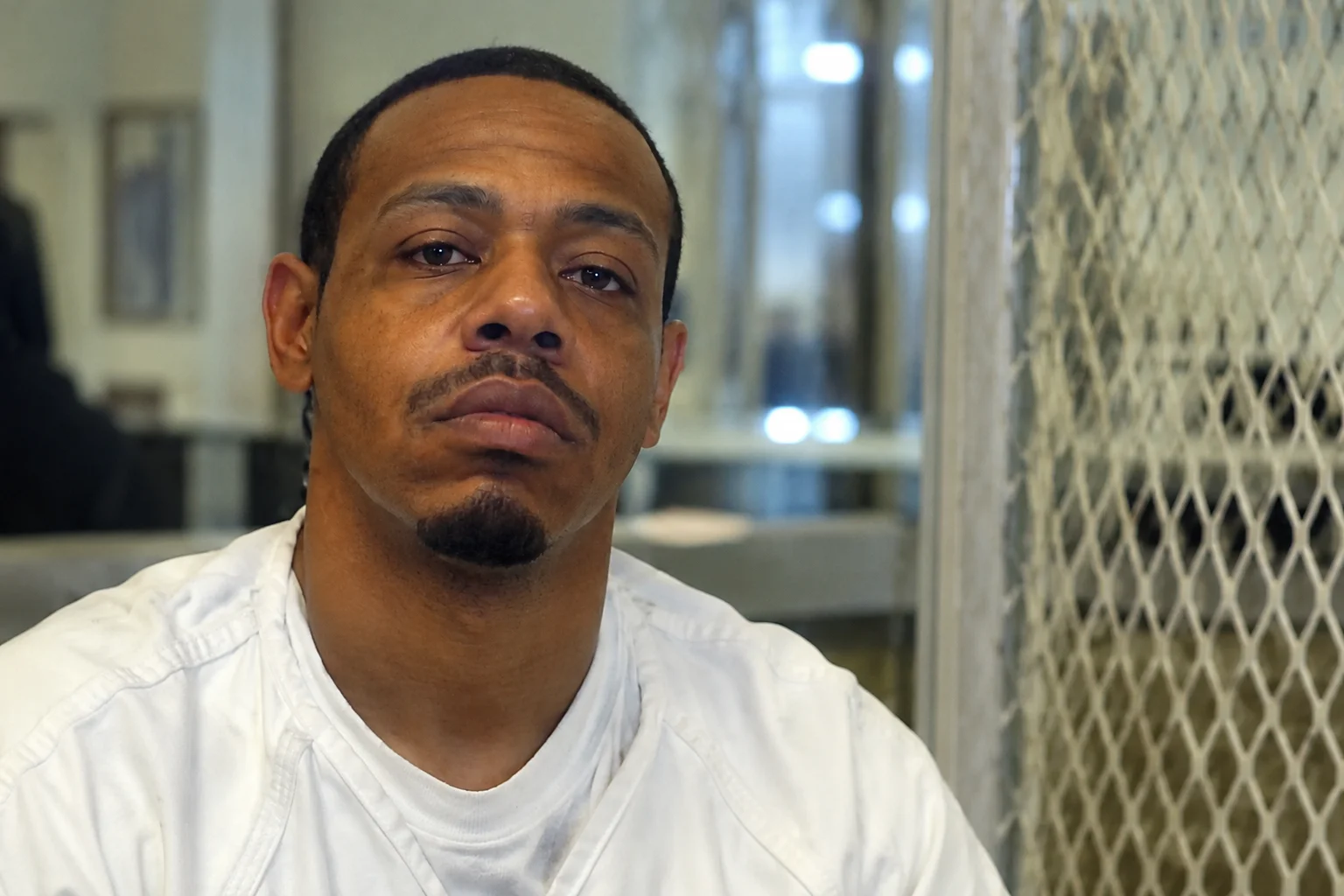
Jamaal Howard had one final request for the family of the woman he had killed. He wanted their forgiveness.
Standing inside the execution chamber at the Huntsville prison in Texas, the 46-year-old apologised to relatives of Vickie Swartout, a convenience-store clerk whose life ended during a robbery more than 26 years earlier. He also thanked his own family and friends, acknowledging the people who had supported him through years behind bars.
He knew what was coming next. The courts had rejected his last attempts to stop the execution, and the state was preparing to carry out his death sentence.
On October 7, 2026, Texas administered a lethal injection of pentobarbital. Howard was pronounced dead at 8:03 p.m.
His execution ended a long legal battle, but its timing made the case particularly significant. Just a week earlier, Tennessee had failed to execute Christa Pike using the same drug, raising fresh questions about the reliability of lethal injection.
Howard’s final apology, the loss suffered by Swartout’s relatives and the unsuccessful legal challenges now form the central threads of a case that reached its conclusion under renewed national scrutiny.
The Robbery That Ended Vickie Swartout’s Life
On May 12, 2000, Swartout was working at a convenience store in Silsbee, a small community in southeastern Texas.
Howard was 20 years old.
According to the evidence reported in the Associated Press account of the execution, Howard entered the store during a robbery and fatally shot the 42-year-old clerk once in the chest. He took $114 from the cash register and a carton of cigarettes.
The store’s surveillance footage captured the shooting and later became a significant part of the prosecution’s case.
The amount stolen was relatively small. The consequence was permanent: Swartout lost her life, and her relatives were left to live with the absence of someone they loved.
The crime became the foundation of a capital-murder prosecution. Unlike an ordinary robbery case, a conviction for capital murder can carry the death penalty when the statutory requirements are met.
For the prosecution, the evidence established the circumstances of the killing. For Swartout’s family, no courtroom outcome could reverse what had happened that day.
How the Case Put Howard on Death Row
Howard was convicted of capital murder in 2001 and sentenced to death in Texas.
The conviction began a lengthy period of appeals and post-conviction litigation. Capital cases can involve multiple layers of judicial review because courts must consider challenges to both the conviction and the sentence, including claims based on constitutional protections.
Howard spent more than half his life under a death sentence before the state carried out the punishment.
The case returned to public attention as his execution date approached in October 2026. His lawyers sought to prevent the sentence from being carried out, raising questions about his intellectual functioning and the safety of the drug Texas planned to use.
These were distinct legal issues. One concerned whether Howard was constitutionally eligible for execution; the other concerned the method the state intended to employ.
Both arguments failed to secure a stay.
The Texas Tribune’s report on the execution and final appeals details how the case reached its final stage and why the courts allowed the scheduled procedure to proceed.
The Intellectual Disability Claim
One of Howard’s final legal arguments concerned intellectual disability.
Under the US Supreme Court’s ruling in Atkins v. Virginia (2002), the Eighth Amendment prohibits executing people with intellectual disabilities. The decision left states responsible for implementing appropriate procedures to assess such claims.
Howard’s lawyers argued that he fell within this constitutional protection and should not be executed.
The state disputed whether the evidence presented met the applicable legal requirements. The courts did not grant the relief his attorneys requested, and the execution proceeded.
The distinction is important: an allegation raised by defence counsel is not automatically an established diagnosis or a judicial finding. The legal question was whether Howard qualified for the protection recognised by the Supreme Court.
The Supreme Court’s decision in Atkins v. Virginia provides the constitutional background to that dispute.
Why Christa Pike’s Failed Execution Mattered
Howard’s final appeal unfolded against an unusual backdrop.
On September 30, 2026, Tennessee attempted to execute Christa Pike using pentobarbital. She survived the procedure after two doses were administered, according to contemporary reporting. Her survival triggered questions about what had gone wrong and whether the execution process had exposed her to unnecessary suffering.
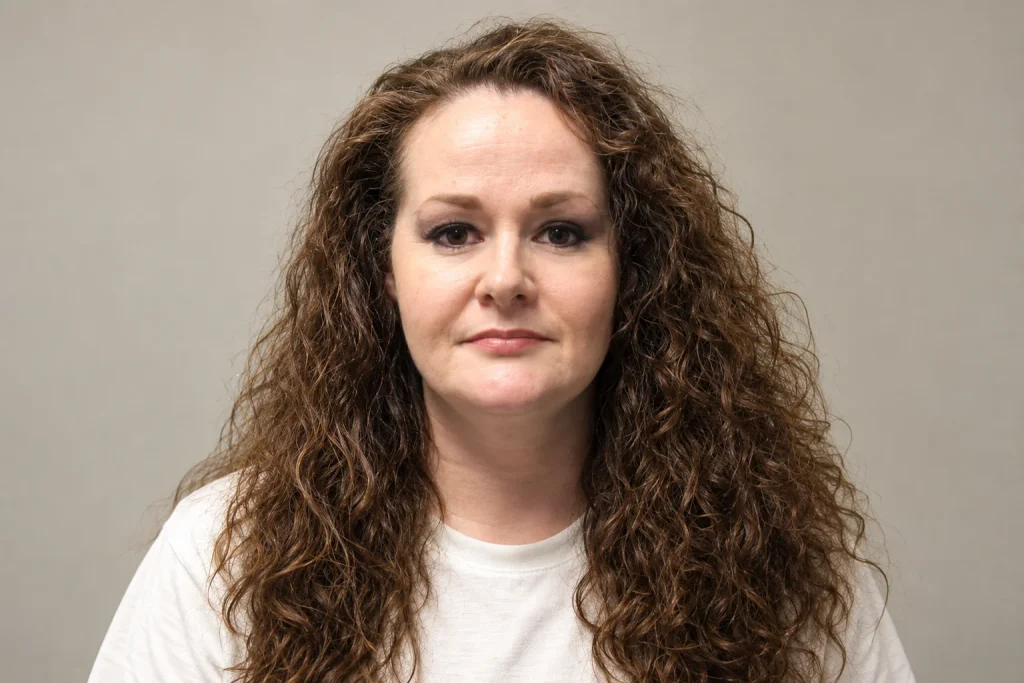
The incident became relevant to Howard’s case because Texas also intended to use pentobarbital.
His lawyers argued that the Tennessee episode warranted a delay while questions about the Texas execution drugs could be examined. They raised concerns about the possibility that the state’s supply had deteriorated beyond its intended usable period.
Those concerns did not establish that Texas possessed defective drugs. They were arguments advanced by the defence in seeking judicial intervention.
Texas declined to postpone the execution, and the courts rejected the requests to stop it. Howard consequently became the first person executed in the United States after Pike’s failed procedure.
The Guardian’s coverage of Howard’s execution and the Tennessee controversy explains why the two cases became connected in the national debate over lethal injection.
What Witnesses Saw in Huntsville
Before the injection began, the warden invited Howard to make a final statement.
He addressed Swartout’s relatives directly, asking them to accept his apology and expressing hope that they might eventually forgive him. He also wished them peace and closure.
Howard then turned to the people who had remained in his life. He thanked his family, named several supporters and expressed gratitude to someone he credited with helping him emerge from his darkest periods. He spoke about finding peace and faith before saying goodbye.
The official Texas Department of Criminal Justice record of Howard’s last statement preserves his words.
As the pentobarbital took effect, witnesses reported that Howard breathed, gasped, coughed and made snoring sounds. His movements eventually stopped. Officials pronounced him dead 19 minutes after the procedure began.
His sister, who was watching from an adjacent witness room, became distressed and asked to leave. Corrections officers assisted her out.
The witness accounts documented the physical events of the execution, but they do not independently establish whether the drug was administered correctly or whether the procedure involved a medical complication.
What they do establish is that Howard’s final moments were witnessed by people connected to both sides of the case: relatives of the woman he killed and members of his own family.
An Apology Cannot Undo a Killing
Howard’s final statement was an attempt to acknowledge the harm he had caused. He expressed remorse and asked Swartout’s family for forgiveness, but he could not restore the life taken in 2000.
Nor is it possible to determine from his words alone how the relatives received his apology. Forgiveness is a personal decision, particularly when it concerns a violent crime that has permanently changed a family.
Their presence at the execution placed them in a difficult position: they were witnesses to the final punishment imposed for a loss they had already endured for more than two decades.
Howard’s family experienced a different kind of loss. They watched a relative die after years of imprisonment and unsuccessful legal efforts to prevent his execution.
Those experiences are not interchangeable. Swartout was the victim of the crime, while Howard was convicted and sentenced for it. Nevertheless, the final proceeding brought both families into the same room, facing the irreversible consequences of the case.
The available reporting establishes that Howard apologised and that relatives witnessed the execution. It does not justify assuming that the procedure provided emotional closure to everyone involved.
What His Execution Reveals About Lethal Injection
The controversy surrounding Howard’s death extends beyond the facts of his individual case.
Pentobarbital is used in lethal-injection protocols in several US states. Yet the supply and administration of execution drugs have become recurring sources of legal disputes, particularly when pharmaceutical secrecy makes it difficult to scrutinise procurement, storage and quality.
Pike’s survival intensified those concerns. Her case raised questions about how authorities investigate a failed procedure and what safeguards should apply before another execution using the same drug takes place.
Supporters of capital punishment argue that states may lawfully enforce death sentences imposed after due process for the most serious crimes. Opponents emphasise the irreversible nature of execution and the risk of severe suffering or wrongful punishment.
Howard’s case illustrates the difference between a court authorising an execution and establishing that the procedure is entirely free from risk. The former is a legal decision; the latter would require evidence about the actual drugs, protocol and events involved.
The courts rejected Howard’s requests for intervention, and Texas carried out the sentence. The broader questions surrounding execution procedures, however, cannot be settled by one court order or one completed execution.
The End of a Case, Not the End of the Debate
Jamaal Howard’s execution brought the state’s pursuit of his death sentence to an end. It did not reverse the killing of Vickie Swartout, establish whether her relatives found peace, or resolve the concerns raised by the failed procedure in Tennessee.
The case moved from a robbery in a small Texas community to a capital-murder conviction, decades of litigation and a final appeal centred on constitutional eligibility and lethal-injection safety.
At the end stood Howard’s request for forgiveness and the state’s decision to proceed with the punishment.
For Swartout’s family, the loss began in 2000. For Howard’s relatives, the final loss occurred in October 2026. For the wider public, the execution became another point of scrutiny in the ongoing debate over capital punishment in the United States.
The sentence was carried out. The questions surrounding it remain.