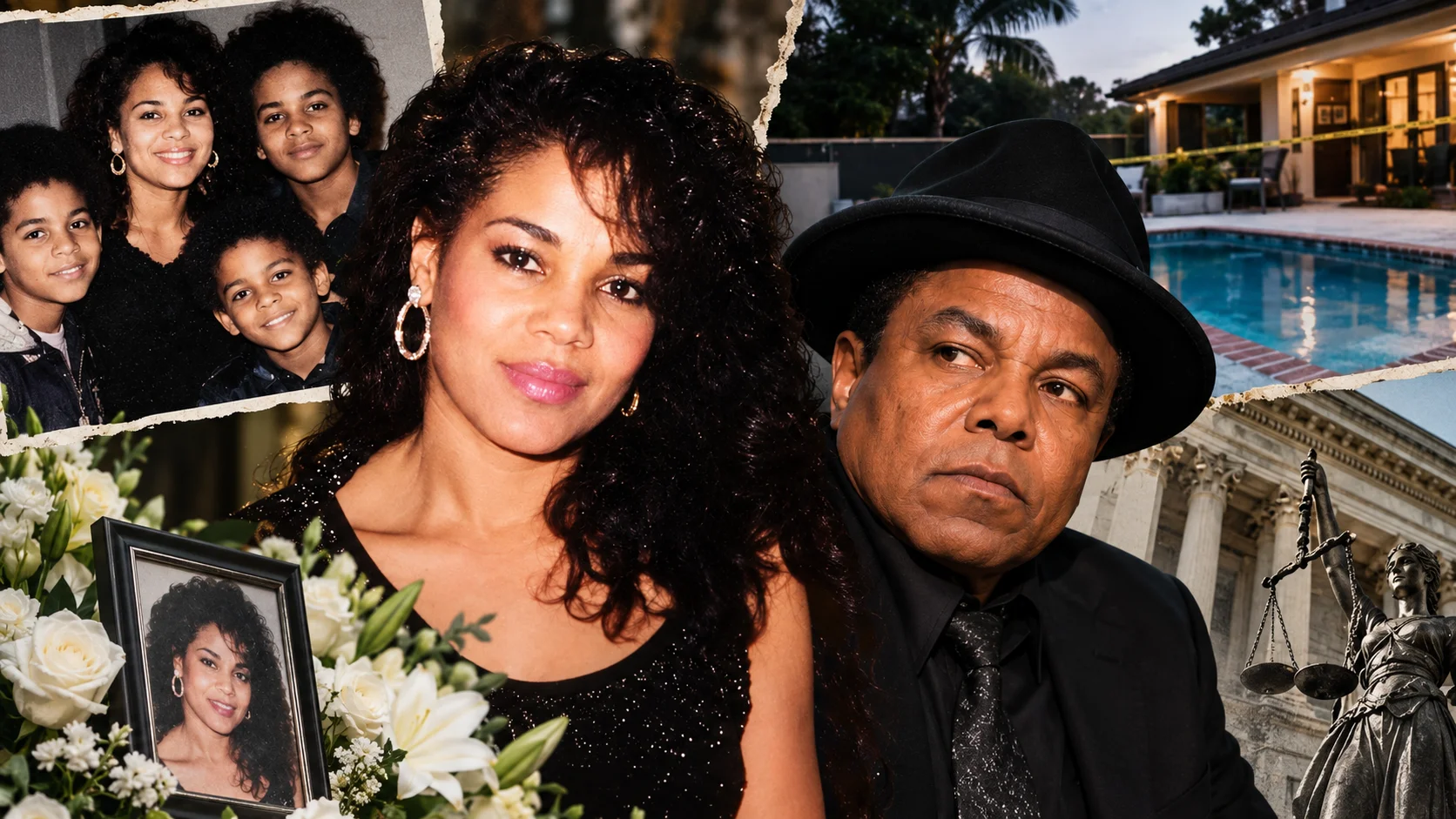
On an August morning in 1994, a phone call from a house in Ladera Heights, California, reported that a woman was drowning in a swimming pool. The woman was Delores Martes Jackson, known to her family as Dee Dee, the former wife of Jackson 5 singer Tito Jackson and the mother of their three sons.
What initially appeared to be a tragic accident would become a criminal investigation, a bitter legal battle, and a case that followed the Jackson family for decades. In 1998, Dee Dee’s boyfriend, Donald Bohana, was convicted of second-degree murder. He maintained his innocence, but the jury found the evidence sufficient to establish his criminal responsibility for her death.
For Tito, the case was deeply personal. His marriage to Dee Dee had ended years earlier, but their children had lost their mother, and he wanted answers about the circumstances of her death.
According to People’s account of Tito Jackson’s efforts to seek justice, the family’s response extended beyond the courtroom. They pursued legal action and later established a foundation in Dee Dee’s memory, turning their experience of loss into an effort to help others cope with grief.
Before the Tragedy: Dee Dee Jackson’s Life and Family
Delores Martes Jackson was married to Tito Jackson, one of the founding members of the Jackson 5. The couple married young, in 1972, when Tito was 18 and Dee Dee was 17.
While Tito performed with his brothers and became part of one of the most recognizable musical families in the world, the couple built a family of their own. They had three sons: Taj, Taryll, and TJ Jackson.
Their marriage ended in divorce in 1988, according to contemporary reporting by the Los Angeles Times. By the time Dee Dee died, the two had been separated for several years.
Although their romantic relationship had ended, they remained connected through their children. That connection would become especially important after Dee Dee’s sudden death.
Her story is sometimes reduced to her relationship with a famous musician. Yet her significance to the people closest to her was much more personal. She was a mother whose absence would reshape her sons’ lives and a member of a family that would spend years trying to understand what had happened to her.
August 27, 1994: The Swimming Pool Incident
Dee Dee died on August 27, 1994, after being found in the swimming pool at Bohana’s home in Ladera Heights.
According to the subsequent court record, Bohana called emergency services at approximately 3:34 a.m. to report that someone had fallen into his pool and was drowning. Paramedics arrived and attempted to revive Dee Dee, but they were unsuccessful.
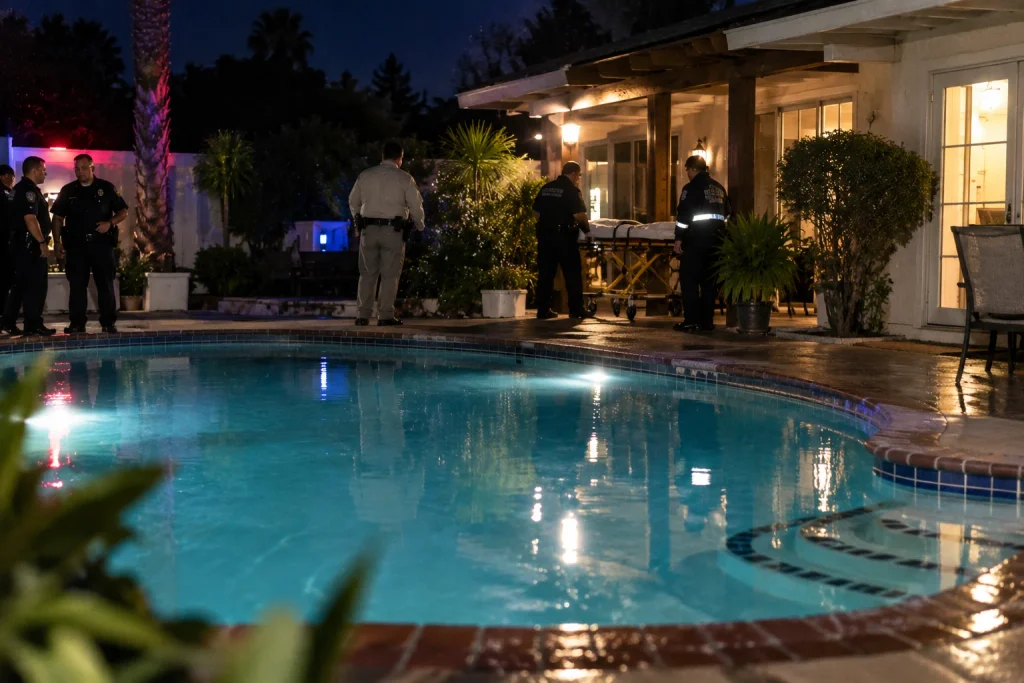
The initial investigation treated her death as an accidental drowning. At first, there was no criminal conviction, and the circumstances of the incident remained disputed.
The case took a different direction when the medical examination identified injuries that investigators needed to explain.
The Autopsy Raised New Questions
In November 1994, the Los Angeles County coroner’s findings brought attention to several injuries on Dee Dee’s body, including cuts, bruises, and a hemorrhage in the neck muscles.
The cause of death was recorded as asphyxia associated with drowning, alcohol intake, and blunt-force traumatic injuries. The findings raised the possibility that Dee Dee had suffered an assault before or during the events that led to her death.
The distinction was critical. Drowning could explain how someone died, but it did not automatically explain the injuries documented during the autopsy.
The Los Angeles Times report on the coroner’s findings documented the medical evidence that brought renewed scrutiny to the case.
The following day, the Los Angeles County district attorney’s office reopened its investigation. What had initially been treated as an accident was now being examined as a possible homicide.
For Dee Dee’s family, this development raised an urgent question: if the death had not been accidental, what had actually happened during her final hours?
The Evidence That Changed the Case
The investigation involved more than the medical findings. Authorities also examined Bohana’s account of the night, the circumstances in which Dee Dee was found, and testimony concerning whether she could swim.
Bohana maintained that Dee Dee had been swimming and that her injuries occurred while he attempted to rescue her. Her relatives and other witnesses disputed aspects of that account, saying she feared water and could not swim.
These conflicting accounts became central to the case.
The family’s belief that Dee Dee could not swim was not, by itself, proof of murder. But it became relevant when considered alongside the medical evidence and other testimony presented during the criminal proceedings.
In August 1995, Dee Dee’s sons filed a wrongful-death lawsuit against Bohana. The family also challenged the handling of the criminal investigation and called for further action.
The Los Angeles Times report on the family’s wrongful-death lawsuit described their allegations and frustration that criminal charges had not yet been filed.
At that stage, the family’s civil allegations were not equivalent to a criminal conviction. Nevertheless, the lawsuit was an important part of their effort to seek accountability while the investigation continued.
In 1996, the death was classified as a homicide. Bohana was subsequently charged with second-degree murder in March 1997.
The case had taken a major step forward, but the family still had to wait for a trial to determine criminal responsibility.
Tito Jackson’s Fight for Justice
Tito Jackson was internationally recognized for his musical career, but the investigation into Dee Dee’s death placed him in a different role: a father trying to find answers about the death of his children’s mother.
The couple had divorced, but the loss affected the entire family. Their three sons had to live with the sudden absence of their mother, while the circumstances of her death became the subject of years of investigation and legal proceedings.
Tito and other relatives supported efforts to pursue the case. Their actions included seeking legal accountability and keeping attention on the questions surrounding Dee Dee’s death.
The family’s determination was not a substitute for forensic evidence or the work of prosecutors. Rather, it reflected their refusal to accept that the initial explanation should end the inquiry when subsequent medical findings raised further questions.
In a 2017 interview with ABC News, Tito and his sons spoke about the devastating effect of the loss. The report, Tito Jackson and Sons Describe the Day of His Ex-Wife and Their Mother’s Murder, provides a more personal account of the family’s experience than a simple chronology of the investigation.
The case also illustrates a difficult aspect of seeking justice after a suspicious death: families may have to endure years of uncertainty before a court reaches a verdict.
For Tito and his sons, the goal was not simply to revisit the past. They wanted the circumstances of Dee Dee’s death examined through a proper legal process.
Inside the Trial: Why the Jury Convicted Donald Bohana
The criminal trial began in 1998. Prosecutors argued that Dee Dee’s death was the result of a criminal act, while Bohana maintained that she had drowned accidentally.
The jury had to assess the physical evidence, expert testimony, and the competing accounts of the events at the house.
The most valuable account of the legal reasoning comes from the published California appellate decision in People v. Bohana, decided in 2000.
According to the California Court of Appeal’s opinion in People v. Bohana, the prosecution presented evidence that Dee Dee had sustained multiple blunt-force injuries shortly before her death. Expert testimony indicated that the injuries were inconsistent with the rescue efforts described by Bohana and the paramedics.
The court also reviewed testimony about Dee Dee’s fear of water, her reported inability to swim, and the circumstances in which she was found. The jury could consider these details alongside the forensic evidence when deciding whether the death was accidental or the result of a criminal act.
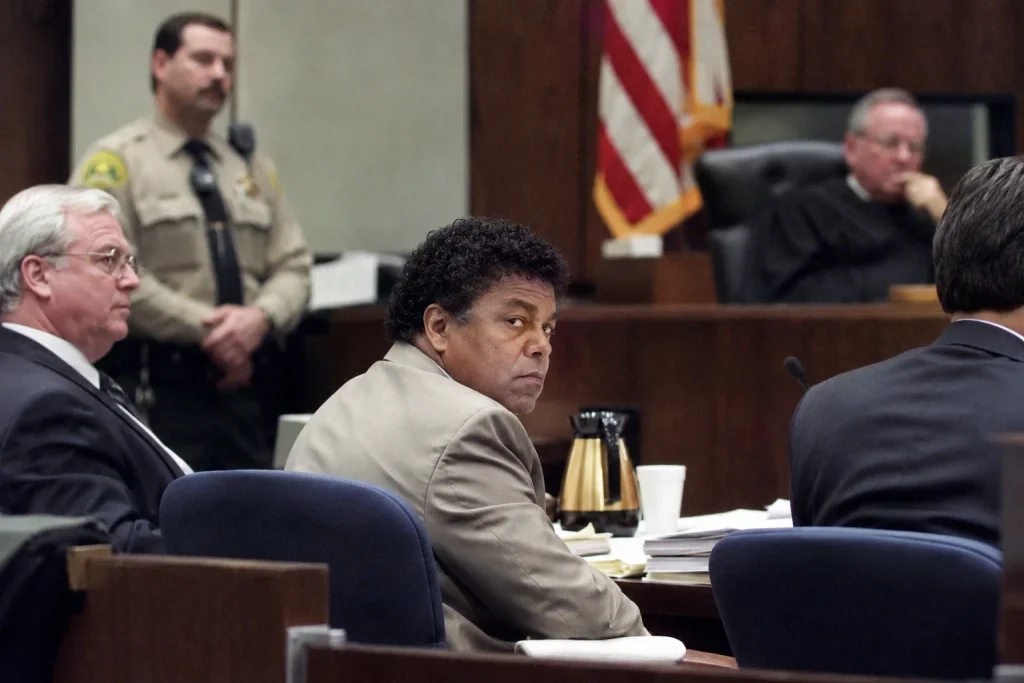
In November 1998, Bohana was convicted of second-degree murder and sentenced to 15 years to life in prison.
He appealed the conviction, arguing, among other things, that the evidence was insufficient to establish murder and that the death could have been accidental. In its October 2000 decision, the appellate court rejected his arguments and affirmed the conviction.
This judicial record is particularly important because it explains the distinction between the family’s suspicions and the evidence that ultimately supported the verdict.
Bohana continued to deny killing Dee Dee. Nevertheless, the conviction and the subsequent appellate ruling established the legal outcome of the case.
Donald Bohana’s Release After More Than Two Decades
The case returned to public attention when Bohana was released on parole in December 2022, after serving approximately 24 years in prison.
His release did not change the verdict. It did, however, bring renewed attention to a tragedy that had affected the Jackson family since 1994.
Bohana continued to dispute the allegations against him and maintained that Dee Dee could swim. His account remained different from the prosecution’s case and the findings accepted by the jury.
The distinction matters when reporting on the case. Bohana’s denial is part of the public record, but it does not erase his conviction. Similarly, allegations concerning a possible motive should not be presented as established facts unless supported by reliable evidence.
For Dee Dee’s sons, the legal proceedings could not restore the years they had spent without their mother. The conviction represented a judicial outcome, not an end to their grief.
From Grief to a Lasting Legacy
Dee Dee’s story continued beyond the courtroom through the efforts of her children and former husband to preserve her memory.
The family established the Dee Dee Jackson Foundation, which focuses on helping people cope with grief through music therapy.
Music had been part of the Jackson family’s public life for generations, but the foundation gave it a different purpose. Rather than performing for an audience, music could serve as a means of emotional expression and support for people experiencing loss.
This effort gave Dee Dee’s name a meaning separate from the circumstances of her death. Her legacy could be connected not only to a criminal case but also to a practical effort to help others facing bereavement.
Grief can be difficult to communicate, particularly when a loss is sudden or surrounded by unanswered questions. Music-based activities may provide one way to express emotions and build connections with others, although they do not replace professional mental health support when it is needed.
The foundation represents the family’s response to a deeply personal tragedy. It also offers a reminder that the people left behind by a death often have to find their own ways to rebuild their lives.
Tito Jackson’s Death Added Another Chapter to the Family’s Story
On September 15, 2024, Tito Jackson died at the age of 70. His sons confirmed his death in a public statement.
For people who knew Tito primarily through the Jackson 5, his musical career was the most visible part of his life. Yet he was also a father whose experience raising his sons after Dee Dee’s death formed an important part of his personal history.
The Los Angeles Times obituary of Tito Jackson noted that he primarily raised his sons after his former wife died.
That detail helps explain why Dee Dee’s death remained such a significant part of the family’s story. Tito was not only dealing with the loss of a former partner. He was also helping his children grow up without their mother.
His death in 2024 brought another loss to the family, but the memories of both parents remain part of their sons’ lives.
Why Dee Dee Jackson’s Story Still Matters
The case of Delores Martes Jackson is significant for more than its connection to a famous musical family. It demonstrates how an initially accepted explanation for a death can be reconsidered when medical evidence raises new questions.
The investigation also shows why it is important to distinguish between allegations, forensic findings, and a court’s final decision. Dee Dee’s family questioned the initial account, but the criminal case ultimately turned on evidence presented at trial and reviewed by the appellate court.
For Tito and their sons, pursuing the case was a deeply personal effort. Their determination helped keep the circumstances of Dee Dee’s death in focus while the legal process unfolded.
The foundation established in her memory offers another part of the story: an attempt to turn grief into something constructive.
Dee Dee Jackson should not be remembered only as the woman whose death led to a murder conviction. She was a mother of three whose loss changed her family forever. Her story also includes the people who sought answers, the legal process that followed, and the effort to preserve her memory through support for others.
More than three decades after her death, that human dimension remains at the heart of the story.
Frequently Asked Questions
How did Dee Dee Jackson die?
Delores “Dee Dee” Jackson was found in a swimming pool at the home of Donald Bohana on August 27, 1994. Her death was initially treated as accidental, but autopsy findings led to a homicide investigation.
Who was convicted in Dee Dee Jackson’s death?
Donald Bohana was convicted of second-degree murder in November 1998. The California Court of Appeal affirmed his conviction in 2000.
Why did Tito Jackson pursue justice?
Tito and Dee Dee had three sons together. Following her death, the family sought answers about the circumstances of the incident and supported legal efforts to hold someone accountable.
Was Donald Bohana released from prison?
Yes. Reports state that he was released on parole in December 2022 after serving approximately 24 years. He continued to maintain his innocence.
How is Dee Dee Jackson remembered today?
Her family established the Dee Dee Jackson Foundation to support people coping with grief through music therapy. The foundation offers a way to honor her memory beyond the circumstances of her death.