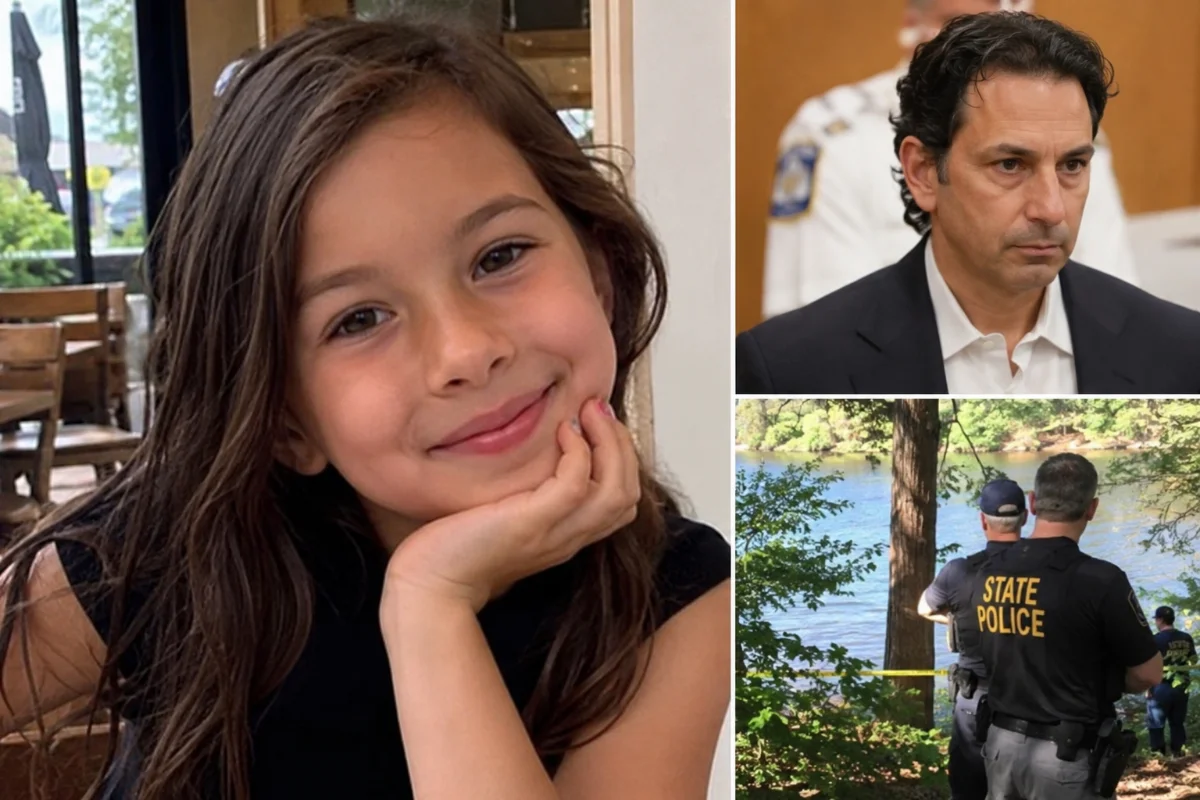
For several hours, the disappearance of 9-year-old Melina Frattolin appeared to be a terrifying child abduction case.
Her father, Luciano Frattolin, told authorities that his daughter had been kidnapped during their trip to upstate New York. Police responded to the report, launching an urgent search for the Canadian girl.
But as investigators began examining his account, the story started to fall apart.
There was no evidence of the kidnapping he had described. The timeline raised questions. And before long, the search for a missing child had become a homicide investigation.
The next day, Melina was found dead in shallow water in Ticonderoga, New York.
More than a year later, a jury found the man who had reported her missing guilty of murdering her.
A Father and Daughter on Vacation
Melina lived in Montreal, Quebec, with her mother, Kali Galanis.
Her parents had been estranged for years, and Melina lived full time with her mother while Frattolin visited her when he was in Canada. In July 2025, father and daughter traveled to the United States for a vacation.
They entered the country on July 11 and were expected to return to Montreal on July 19.
Melina was supposed to go home to her mother.
She never did.
According to state police, Melina was seen with her father in Saratoga Springs at around 5:30 p.m. on July 19. About an hour later, she spoke with her mother by phone.
Investigators said she did not indicate that she was in danger or under any form of duress.
It would be her final known conversation with her mother.
The Call That Started the Search
Later that night, just before 10 p.m., Frattolin called 911.
He reported that his 9-year-old daughter was missing and said he believed she had been abducted near Lake George, close to Exit 22 on Interstate 87.
Authorities immediately began searching.
The report suggested a frightening possibility: a child may have been taken by someone unknown and could still be in danger.
But investigators soon encountered a major problem.
They could not find evidence to support the kidnapping story.
Frattolin had reportedly described a possible abduction involving a suspicious white van. However, investigators said they found no evidence that such an abduction had occurred.
As the investigation continued, law enforcement also identified inconsistencies in his account and in the timeline he provided.
The search was about to take a devastating turn.
Melina Frattolin Was Found Dead
On July 20, law enforcement expanded its search into Ticonderoga, an area investigators believed Frattolin had visited.
Multiple agencies took part in the operation.
At approximately 1:50 p.m., New York State Forest Rangers found Melina.
She was dead in shallow water.
The discovery changed everything.
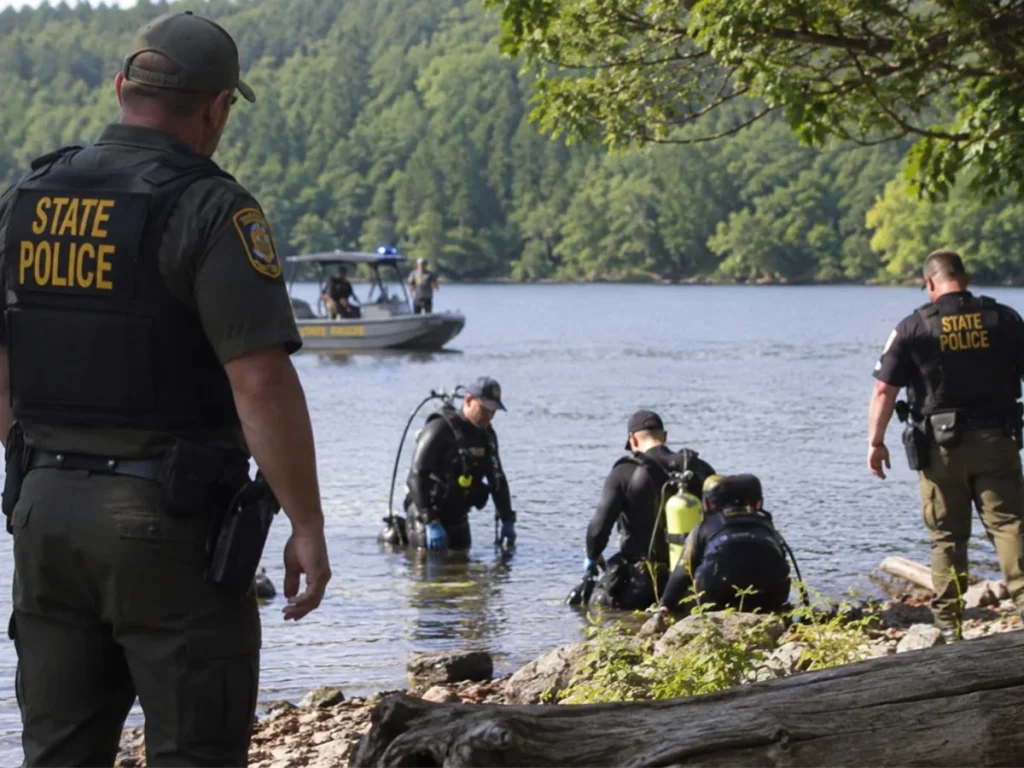
The missing child investigation was now a death investigation, and the questions surrounding Frattolin’s account became even more significant.
An autopsy later determined that Melina’s cause of death was asphyxia due to drowning. Her manner of death was ruled a homicide, according to the official autopsy update from the New York State Police.
The distinction was legally important.
A drowning can be accidental, but a homicide ruling means the death was determined to have resulted from the actions of another person.
The Investigation Turned Toward Her Father
Investigators focused closely on the period between Melina’s final phone call with her mother and Frattolin’s emergency call later that night.
According to New York State Police, the investigation determined that Melina was allegedly killed sometime after speaking with her mother and before her father reported her missing.
Police also said they found no evidence supporting his claim that she had been abducted.
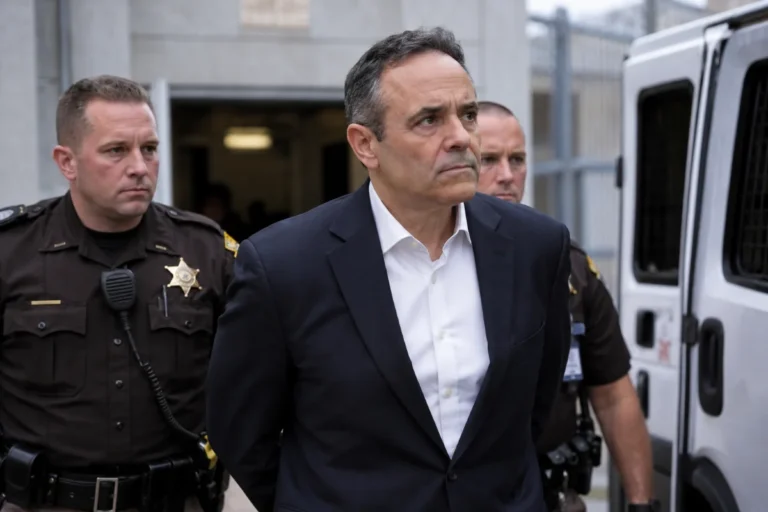
On July 21, 2025, Luciano Frattolin was arrested and charged with second-degree murder and concealment of a human corpse.
The case had changed dramatically in less than two days.
The man who had called 911 to report his daughter missing was now accused of killing her.
The Legal Case Against Luciano Frattolin
Under New York law, second-degree murder is among the state’s most serious criminal offenses.
In this case, prosecutors had to prove the charges beyond a reasonable doubt, the highest standard of proof in the criminal justice system.
The prosecution’s case involved evidence connected to the timeline of Melina’s disappearance, Frattolin’s statements to police and digital evidence.
Before trial, there were also legal disputes over whether some of Frattolin’s statements and cellphone data could be introduced as evidence.
As reported during pretrial proceedings by CBS6 Albany, the defense challenged certain statements made to investigators and questioned whether consent to search Frattolin’s phone had been voluntary.
Those issues highlighted an important part of the criminal process.
Even when someone is accused of a serious crime, courts must determine whether evidence was legally obtained before a jury can consider it.
The defense also maintained that prosecutors had not established a direct connection between Frattolin and Melina’s death.
But a murder conviction does not necessarily require an eyewitness to the crime.
Jurors can consider a combination of circumstantial evidence, forensic findings, digital records, statements and the overall timeline when deciding whether prosecutors have proven their case.
Ultimately, the jury accepted the prosecution’s argument.
A Mother Waiting for Her Daughter
While the investigation was unfolding in New York, Melina’s mother was waiting in Montreal.
Her daughter was supposed to return home that night.
Instead, Kali Galanis spent hours waiting for Melina.
According to trial coverage, Galanis looked outside and waited for her daughter to come home, unaware that Melina would never return.
The next day, she received the devastating news that her only child had been found dead.
During the trial, Galanis also testified about concerns surrounding Melina’s relationship with her father and her reluctance about traveling with him before the New York trip.
Her testimony became part of the broader story surrounding the events that preceded Melina’s death.
The Verdict
The case eventually went to trial more than a year after Melina was killed.
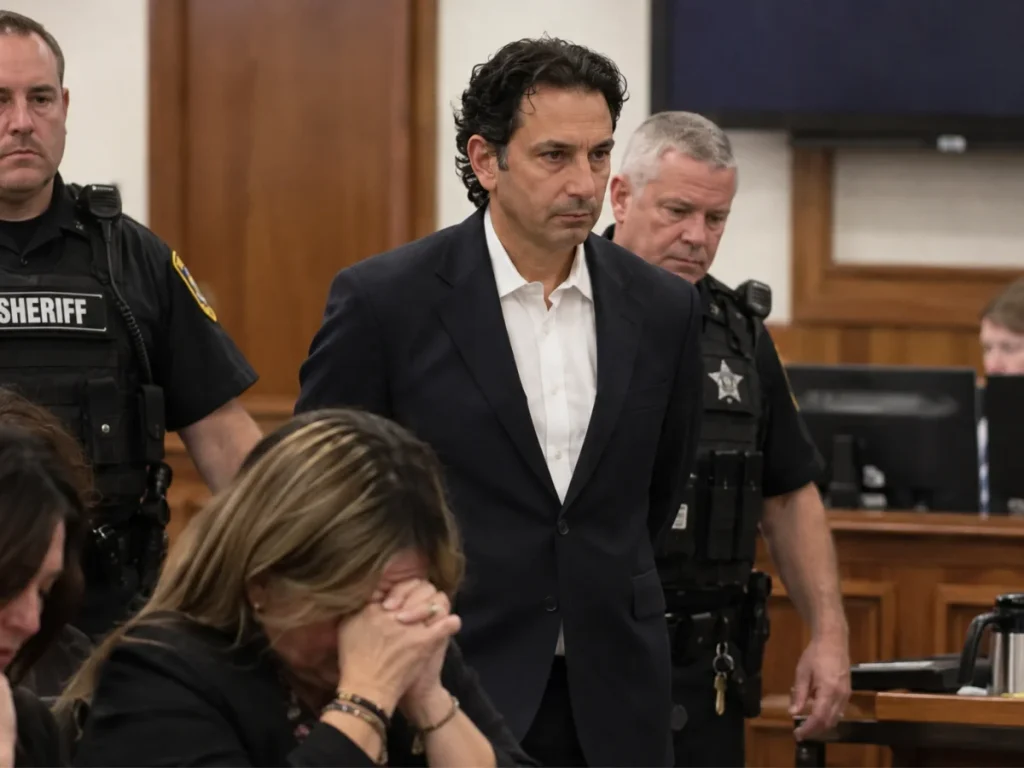
On August 10, 2026, the jury reached its verdict.
Luciano Frattolin was found guilty of:
- Second-degree murder
- Concealment of a human corpse
The verdict meant the jury concluded that prosecutors had proven Frattolin’s criminal responsibility beyond a reasonable doubt.
According to PEOPLE’s report, members of Melina’s family became emotional when the verdict was announced.
Frattolin remained in custody following the conviction and was scheduled to be sentenced on October 14, 2026.
Why the Concealment Charge Was Significant
The jury did not convict Frattolin only of murder.
He was also found guilty of concealing a human corpse.
That charge concerned what happened after Melina’s death.
Authorities had initially been searching for a child believed to have been kidnapped near Lake George. Instead, investigators found her body the following day in Ticonderoga.
The concealment conviction reflected the prosecution’s argument that efforts had been made to hide Melina’s body after her death.
It also explained why the investigation initially took such a different path.
Law enforcement had been looking for an abducted child.
The child was already dead.
What Happens Next?
Following the guilty verdict, the next major stage of the criminal case is sentencing.
For serious felony convictions, the sentencing court determines the punishment within the framework established by New York law.
Frattolin may also pursue post-conviction legal options, including an appeal.
An appeal, however, does not automatically mean the case will be tried again.
Appellate courts generally examine whether significant legal or procedural errors occurred during the criminal proceedings.
As of the latest reports, Frattolin was scheduled to be sentenced on October 14, 2026.
A Search That Began With a Kidnapping Report
The story of Melina Frattolin changed in a matter of hours.
On July 19, 2025, a father reported his 9-year-old daughter missing and claimed she may have been kidnapped.
Police began searching.
By the next afternoon, Melina had been found dead.
An autopsy determined that she died from drowning and ruled her death a homicide.
Her father was arrested.
More than a year later, a jury found him guilty of her murder.
For investigators, the alleged kidnapping was only the beginning of the story.
For Melina’s mother, it was the night her daughter was supposed to come home.
She never did.