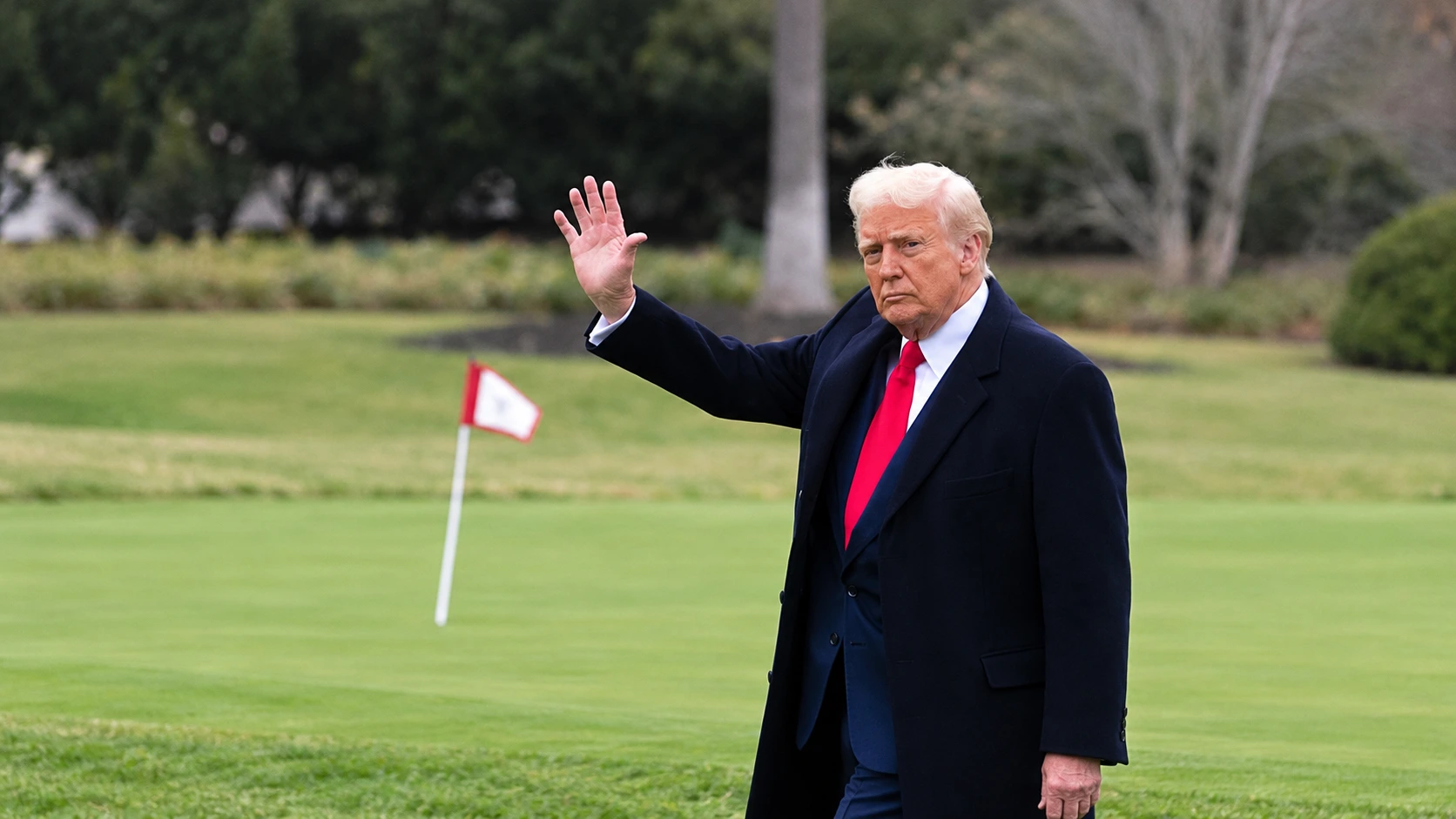
A federal judge has ordered the Trump administration to stop airing television advertisements funded with taxpayer money, interrupting a $20 million Department of Homeland Security advertising campaign weeks before the November midterm elections. The October 11 ruling came after watchdog groups challenged the spending, arguing that federal funds intended for other purposes were being used to promote President Donald Trump’s political message.
The administration had already announced plans to shift the cost of future advertisements to political fundraising. But U.S. District Judge Jennifer L. Rochon ruled that the remaining commercials could not continue under the challenged government-funded arrangements while the legal dispute proceeded.
The case now puts a specific question before the courts: can a federal agency use public money for advertisements that promote an administration’s agenda when the funding was authorised for a different purpose?
How Trump’s TV Ads Triggered a Lawsuit
The advertisements began airing in September, featuring Trump and messages about his administration’s policies. Their presentation became a source of controversy because some commercials resembled political campaign material rather than conventional government announcements.
One advertisement closely echoed a commercial from Trump’s 2024 presidential campaign. Other spots promoted the administration’s positions and actions, including its immigration agenda and foreign policy.
The Department of Homeland Security financed the campaign using federal funds. According to the Associated Press report published by The Washington Post, the department had awarded a $20 million contract, while media-tracking firm AdImpact estimated that more than $12 million had already been spent airing the advertisements by October 7.
Those figures describe different things: the contract’s total value and the estimated cost of advertisements already broadcast.
The legal controversy centred on whether the campaign served an authorised government purpose or crossed into political promotion financed by taxpayers.
What the Federal Judge Ordered
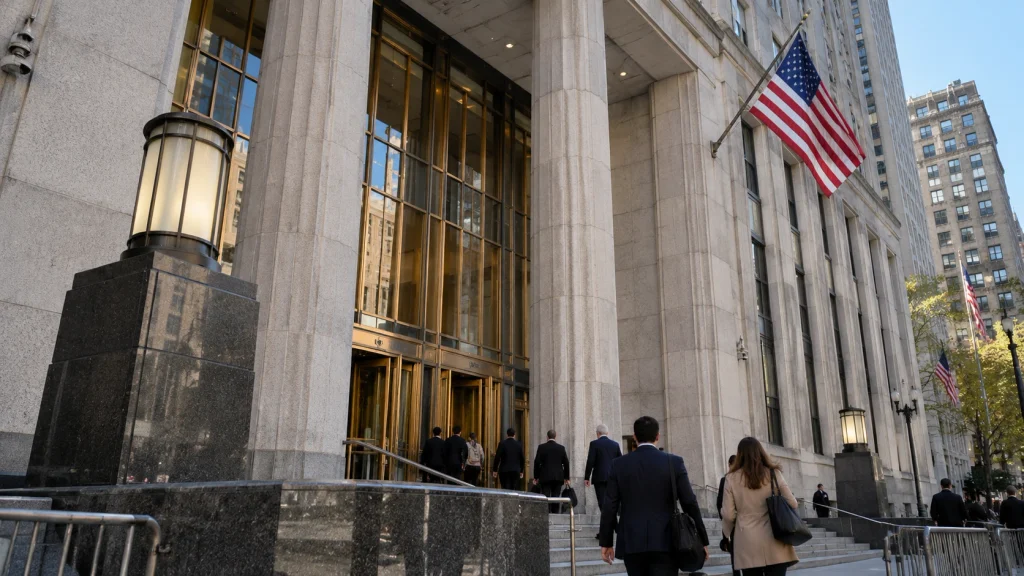
On October 11, Judge Rochon of the U.S. District Court for the Southern District of New York granted a temporary restraining order in a lawsuit brought by Common Cause and other plaintiffs.
The order required the administration to cancel remaining arrangements for the challenged advertisements and barred it from entering into, renewing or expanding agreements to develop, place or broadcast them during the order’s two-week period.
The judge found that the plaintiffs had demonstrated a likelihood of success on their claims, that they faced irreparable harm without court intervention, and that the balance of equities and public interest supported the order.
The decision was preliminary, not a final judgment that every aspect of the campaign had violated federal law.
The actual case materials published by Campaign Legal Center provide the litigation background and access to the court’s order and opinion.
Why the $20 Million Became a Legal Issue
The dispute concerns more than the advertisements’ political tone. It also concerns how the government used money appropriated by Congress.
A senior DHS official, Holly Mehringer, stated in a court declaration that the funds were available for activities including commemorating efforts and events related to border security. The plaintiffs argued that this funding authority did not permit the government to pay for the challenged political advertisements.
Federal law restricts the use of appropriated money for unauthorised publicity or propaganda. The plaintiffs contend that the campaign violated those restrictions and exceeded the government’s spending authority.
The administration has defended the advertisements as public service announcements, arguing that previous administrations have also used government-funded advertising to communicate their policies.
That defence raises an important distinction. A government advertisement does not automatically become unlawful because it features the president or promotes an official policy. The legal question is whether the spending was authorised and whether the advertisements complied with the restrictions governing federal funds.
The court’s temporary ruling allows that dispute to be examined without permitting the challenged advertising arrangements to continue in the meantime.
The Administration Had Already Planned to Change Funding
Trump defended the advertisements publicly and said future costs would be covered by money raised through MAGA Inc., his political fundraising operation.
The announcement came amid criticism from Democrats, watchdog organisations and some Republicans. The administration also argued in court that emergency intervention was unnecessary because the federally funded advertising campaign was already scheduled to end.
The plaintiffs challenged that position, arguing that an announcement about future spending did not provide the same protection as a binding court order.
Judge Rochon agreed that the request for temporary relief was not moot. The order therefore imposed an enforceable restriction rather than relying solely on the administration’s stated plans.
However, moving future advertising costs to a political fundraising operation does not resolve the separate question of whether the federal government lawfully spent the money already used.
The White House had not committed to reimbursing those funds in the reporting available when the ruling was announced, according to Axios’s coverage of the case.
Two Lawsuits Challenge the Campaign
The ruling followed two separate legal challenges.
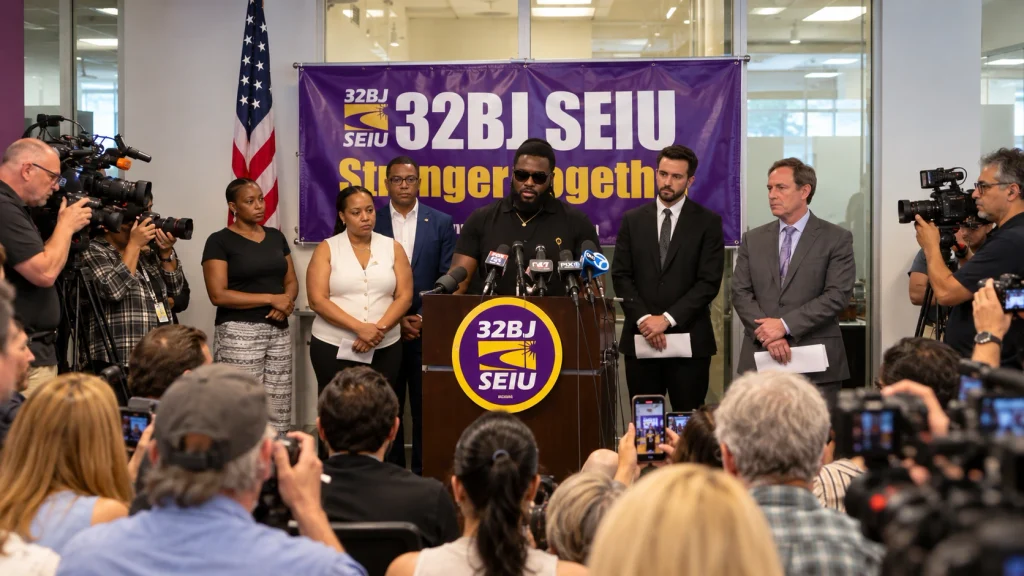
The New York lawsuit was brought by Common Cause, Service Employees International Union Local 32BJ, its political action committee and Robert Hunter, a Democratic candidate for Alabama’s state legislature. The plaintiffs are represented by legal advocacy organisations, including Democracy Forward and Campaign Legal Center Action.
Separately, the Democratic National Committee filed a lawsuit in federal court in Washington, D.C., challenging the advertisements on grounds that include alleged violations of campaign spending rules.
Although the cases concern the same advertising campaign, they raise distinct legal arguments and may proceed separately.
The New York order directly restricts the challenged government-funded advertisements for its specified duration. The broader legal questions, including the legality of the original expenditure, remain subject to further proceedings.
What Happens Next?
The immediate consequence is that the Trump administration cannot continue the challenged advertisements using the federal funds covered by the temporary restraining order while it remains in effect.
The longer-term outcome will depend on the court proceedings, including whether the plaintiffs can establish their claims and what further relief a court may grant.
The case also has implications beyond this particular administration. Federal agencies regularly use advertising to communicate information about public services, national security and government policy. Such spending must remain within the authority Congress has granted.
The central issue is whether the DHS campaign fell within that authority or used public funds for political messaging that should have been financed separately.
For now, the ruling is a temporary legal intervention, not a final determination of liability. Its practical significance is that the court has stopped further spending and broadcasts under the challenged arrangements while the dispute continues.
The outcome could help clarify the boundaries between government communications, authorised public expenditure and political advertising during an election period.