
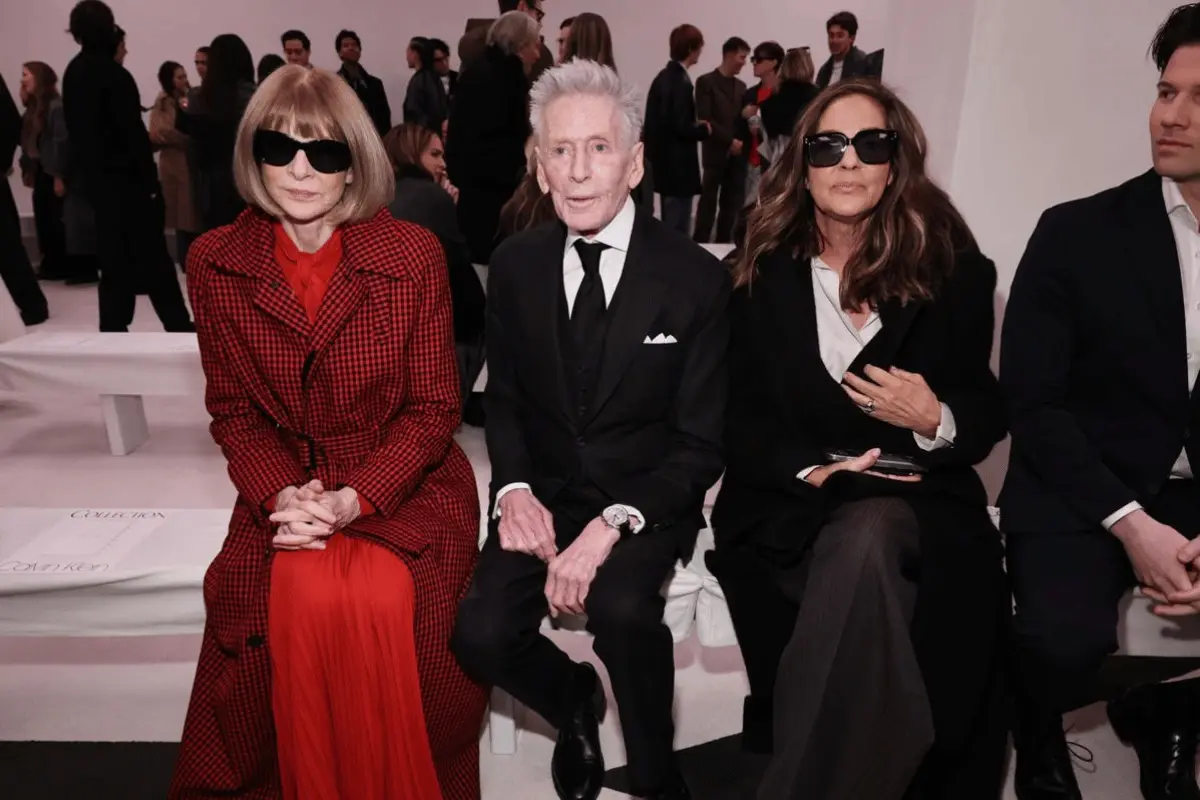
Calvin Klein turned a small New York fashion business into one of the most recognizable names in global style. His minimalist designs, memorable advertising campaigns and commercially successful underwear and denim collections helped establish a fashion empire that extended far beyond the designer’s own career. Yet one of the biggest financial turning points came when he sold his company.
As of October 2026, online estimates commonly place Calvin Klein’s net worth in the $700 million to $800 million range. However, this figure is not supported by a publicly available, independently audited statement of his personal wealth. Calvin Klein’s net worth, for example, lists $700 million in its headline but states $800 million in the body of the same article.
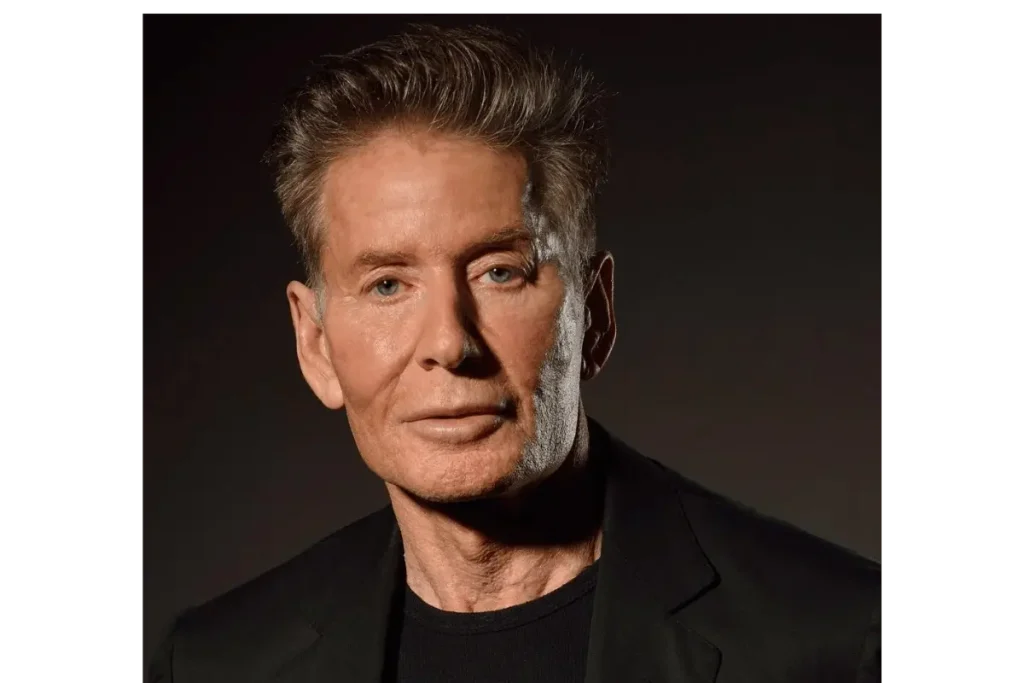
According to CelebsAmerica’s assessment of the available records, the most useful way to understand Mr. Calvin Klein’s fortune is to examine how he built his business, what the sale of his company involved and why the brand continues to be commercially significant long after he left its day-to-day operations.
What Is Calvin Klein’s Net Worth?
Estimated Calvin Klein’s net worth is approximately $700 million to $800 million, based on widely circulated online estimates. The precise amount remains unconfirmed.
His fortune is closely associated with the company he co-founded in 1968 with childhood friend Barry Schwartz. Klein directed the creative side of the business, while Schwartz managed its financial and commercial operations. Their partnership developed a fashion label that expanded into clothing, designer jeans, underwear, fragrances and other products.
The sale of the company to Phillips-Van Heusen Corporation, now known as PVH Corp., became a major financial milestone. The deal was publicly reported as potentially worth around $700 million, including additional payments tied to the business’s future performance. Official corporate filings provide a more detailed picture of the transaction, including its initial consideration and contingent payments.
It is important to distinguish the designer’s estimated personal wealth from the value of his former company. Neither the brand’s retail sales nor its reported acquisition value establishes how much money Klein personally retains today.
How Calvin Klein Built His Fortune
From the Bronx to the Fashion Industry
Born Calvin Richard Klein on November 19, 1942, in the Bronx, New York, Klein developed an interest in drawing and clothing design at a young age. He studied fashion in New York and worked in the industry before establishing his own label. His early experience helped him develop the understated aesthetic that would later become central to his reputation.
The crucial opportunity arrived in 1968, when he partnered with Schwartz to establish their business. According to Biography.com, Schwartz supplied $10,000 in startup funding. Working from a small New York showroom, Klein initially concentrated on coats and women’s clothing.
A buyer from the upscale department store Bonwit Teller placed a substantial order after visiting the showroom. That early commercial interest gave the new label an important foothold in the fashion market.
The Brand Launch and Expansion
The company grew rapidly during the 1970s. Klein extended the label beyond women’s coats into sportswear, men’s clothing and denim. Its clean lines and simple silhouettes offered a distinctive alternative to more heavily decorated fashions.
His advertising became just as recognizable as his designs. Campaigns featuring Brooke Shields helped bring the Calvin Klein name into popular culture, while later collaborations with models and celebrities strengthened its visibility. The provocative nature of some campaigns also attracted criticism, making the brand a frequent subject of public debate.
Underwear became another important source of commercial success. Klein introduced his influential underwear line in the early 1980s, helping bring designer branding into a category traditionally treated as a basic necessity. People, citing Vanity Fair, reported that the men’s and women’s underwear lines generated $70 million in sales in 1984 alone.
Fragrances, accessories and additional clothing categories broadened the business further. These developments helped transform Calvin Klein from an individual designer’s label into a diversified fashion company.
Calvin Klein’s Career and Financial Timeline
The major milestones in Klein’s professional journey explain how his business reached its eventual scale.
- 1942: Calvin Richard Klein is born in the Bronx, New York.
- 1968: He co-founds his fashion company with Barry Schwartz, beginning with coats and women’s clothing.
- 1970s: The label expands into sportswear, men’s clothing and denim, while Klein earns recognition from the fashion industry.
- 1980s: Underwear and fragrance lines strengthen the company’s commercial reach, supported by high-profile advertising.
- 1990s: The brand remains culturally influential while facing business and advertising controversies.
- February 2003: PVH completes its acquisition of Calvin Klein Inc. Klein subsequently remains involved as a consultant.
- 2006: He leaves the company after his consulting period ends.
- February 2025: Klein makes a rare public appearance at his namesake brand’s New York Fashion Week show.
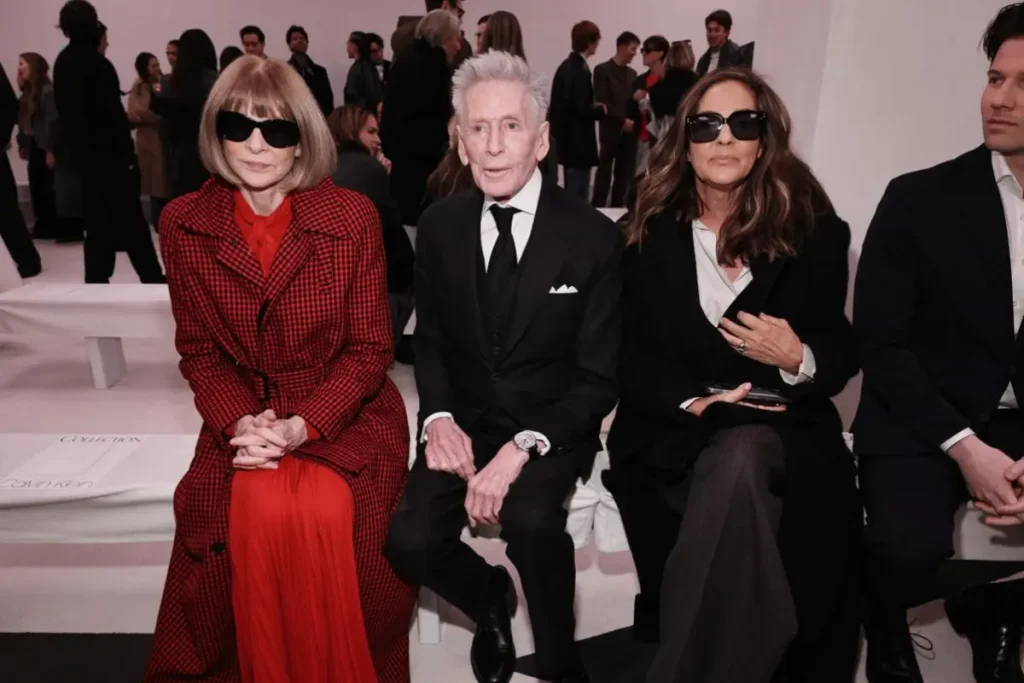
(Image Source: Getty Images)
This progression reveals that Klein’s wealth was not built through a single successful product. It came from creating a recognizable identity and extending that identity across multiple product categories.
The Calvin Klein Sale: What Happened to His Company?
One important distinction concerns the timing and value of the sale.
Some media reports describe the transaction as a 2002 sale valued at up to approximately $700 million. However, PVH’s corporate records identify February 12, 2003, as the date it acquired Calvin Klein Inc. and affiliated companies. The reported deal value incorporated more than the initial payment.
The US Securities and Exchange Commission filing records approximately $408 million in net cash and $30 million in PVH stock as the initial consideration. The transaction also included contingent purchase-price payments based on worldwide net sales of products bearing Calvin Klein brands over 15 years.
These terms help explain why the sale was reported at a higher potential value than the initial consideration alone.
After the transaction, Klein stepped away from his role as chief designer and continued as a consultant for three years. He left in 2006. The sale therefore marked a transition from running a fashion company to living largely outside its daily operations.
Who Owns Calvin Klein Today?
Calvin Klein continues to operate as a major international fashion label, selling clothing, underwear, denim, accessories and fragrances. PVH reported approximately $9 billion in global retail sales for Calvin Klein products in 2025. This is a measure of sales across products carrying the brand, not Mr. Calvin Klein’s net worth or personal income.
The distinction is important. Although Klein created the brand and remains closely associated with its identity, he no longer owns the company in the way he did during its early years.
The brand is also continuing to evolve. In October 2026, Vogue reported that creative director Veronica Leoni was departing Calvin Klein Collection after overseeing its return to the runway. The brand indicated that the Collection line would continue, with new creative leadership to be announced. These developments concern the company’s direction under PVH rather than confirming any change in Klein’s personal fortune.
Calvin Klein’s Personal Life and Current Status
Beyond business, Klein has maintained a relatively private life in recent years.
He married Jayne Centre in 1964, and the couple had a daughter, Marci Klein, before divorcing in 1974. Marci later built a career as a television producer, with credits including Saturday Night Live and 30 Rock.
Klein subsequently married Kelly Rector, his former design assistant, in 1986. They separated in the 1990s, and their divorce was finalized in 2006. According to People, the former couple appeared together at the Calvin Klein Collection show during New York Fashion Week in February 2025.
At 83, Klein remains a prominent figure in American fashion history, even though he is no longer responsible for managing the company he founded. His occasional appearances at fashion events provide a public link between the designer and the brand’s ongoing story.
His legacy rests on more than the size of his estimated fortune. Klein helped make minimalist clothing, designer denim and branded underwear central elements of modern fashion, building a business whose reach has continued under new ownership.

(Image Source: WWD runway retrospective)
For CelebsAmerica, the clearest conclusion is that Klein built his fortune by turning a distinct design identity into a global commercial brand. Although he no longer owns the company bearing his name, its continued international sales demonstrate the lasting reach of the business he helped create.
Sources:
- https://people.com/where-is-calvin-klein-now-11919581
- https://www.celebritynetworth.com/richest-businessmen/richest-designers/calvin-klein-net-worth
- https://www.sec.gov/Archives/edgar/data/78239/000007823903000035/tenq2ndqtr2003.htm
- https://www.pvh.com/brands/calvin-klein
- https://cfda.com/member/calvin-klein/
- https://cfda.com/member/calvin-klein/
- https://www.biography.com/history-culture/calvin-klein
- https://www.vogue.com/article/veronica-leoni-exits-calvin-klein
- https://www.gettyimages.co.uk/detail/news-photo/new-york-new-york-anna-wintour-calvin-klein-and-kelly-news-photo/2198212640