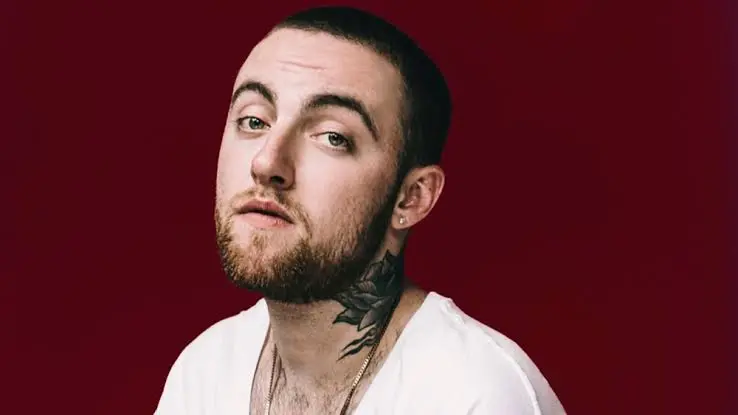
Mac Miller’s death remains one of the most heartbreaking losses in modern hip-hop. The Pittsburgh-born rapper, whose real name was Malcolm James McCormick, died on September 7, 2018, at the age of 26. His death shocked the music industry and millions of fans who had watched him grow from an ambitious teenage rapper into a respected songwriter, producer, and recording artist.
So, how did Mac Miller die? According to the Los Angeles County Medical Examiner-Coroner, he died from accidental mixed drug toxicity involving fentanyl, cocaine, and ethanol (alcohol). He was found unresponsive at his Studio City home in California and was pronounced dead at the scene.
The circumstances surrounding his death later led to a federal investigation involving counterfeit prescription pills. While his passing brought renewed attention to the dangers of fentanyl, his musical contributions and personal struggles also became important parts of the conversation about his life.
How Did Mac Miller Die?
Mac Miller died from an accidental overdose involving a combination of fentanyl, cocaine, and alcohol. The official cause of death was announced by the Los Angeles County Department of Medical Examiner-Coroner on November 5, 2018, following an investigation and toxicology testing.
According to the official medical examiner’s statement, Miller was discovered unresponsive at his Studio City residence on September 7, 2018. Emergency responders arrived, but he could not be revived and was pronounced dead at 11:51 a.m.
The medical examiner classified the manner of death as accidental. His toxicology results identified three substances: fentanyl, cocaine, and ethanol.
Fentanyl is a powerful synthetic opioid that can cause life-threatening respiratory depression, particularly when someone is exposed to an unexpected amount. The presence of multiple substances made Miller’s death a case of mixed drug toxicity rather than an incident attributed to a single substance.
The findings were also reported by People magazine’s coverage of Mac Miller’s cause of death, which detailed the official ruling.

What Happened to Mac Miller Before His Death?
In the months leading up to his death, Miller was navigating several personal and professional changes. He had recently ended his relationship with singer Ariana Grande, experienced public scrutiny, and continued working on his music.
The couple’s separation became public in May 2018 after approximately two years together. Although their breakup attracted considerable media attention, Miller continued focusing on his career and creative development.
In May 2018, he was also arrested following a car accident in the San Fernando Valley. He was charged with driving under the influence and hit-and-run after his vehicle struck a utility pole. The incident generated additional headlines, although it should not be treated as proof of what ultimately caused his death.
Despite the difficulties, Miller was still creating music and making plans for the future. His fifth studio album, Swimming, was released on August 3, 2018, just over a month before his passing.
He was also preparing for a tour that was scheduled to begin in October 2018. His sudden death meant that fans would never see him perform those planned shows.
The Counterfeit Pills Connected to Mac Miller’s Death
The investigation into Miller’s death revealed another disturbing part of the story: counterfeit prescription pills containing fentanyl had been supplied shortly before his death.
In October 2019, the U.S. Department of Justice announced federal charges against three men: Cameron James Pettit, Stephen Andrew Walter, and Ryan Michael Reavis.
According to the Department of Justice investigation, prosecutors alleged that the men were involved in supplying narcotics to Miller approximately two days before his death.
The indictment stated that counterfeit oxycodone pills containing fentanyl were supplied through a distribution chain. Prosecutors alleged that Pettit provided the pills to Miller after receiving them through the other defendants.
The case highlighted the dangers of counterfeit prescription medication, particularly when pills contain substances that consumers do not expect.
The legal proceedings continued after the initial announcement. Reavis pleaded guilty to distributing fentanyl and received a sentence of 131 months in federal prison in April 2022. Walter also pleaded guilty and was sentenced to 210 months in May 2022.
The Los Angeles Times reported on Reavis’s sentencing, while CBS News covered Walter’s sentence.
These proceedings brought additional attention to the circumstances surrounding Miller’s death and the role of illicit fentanyl distribution.
Mac Miller’s Final Album, Swimming
One of the most emotional aspects of Miller’s story is that he released Swimming shortly before his death.
The album arrived on August 3, 2018, and showcased a more reflective side of the rapper. Rather than relying exclusively on the energetic style that characterized some of his earlier work, Miller explored personal growth, uncertainty, relationships, emotional struggles, and the search for stability.
Songs such as “Self Care,” “Small Worlds,” “Come Back to Earth,” and “2009” became especially meaningful to listeners after his death.
Swimming received critical recognition and earned Miller a posthumous nomination for Best Rap Album at the 61st Grammy Awards in 2019.
His official album page provides the track listing, production credits, and background on the project. The Recording Academy’s Mac Miller profile also confirms the Grammy nomination.
For many fans, listening to Swimming after September 2018 became a different experience. Its themes of struggle and personal reflection took on additional meaning because the artist was no longer alive to continue his journey.
Mac Miller’s Relationship With Ariana Grande
Mac Miller and Ariana Grande shared a relationship that attracted considerable public interest. They first collaborated professionally on Grande’s 2013 song “The Way,” which became a major success and introduced many listeners to their musical chemistry.
Their professional connection eventually developed into a romantic relationship. The pair began dating in 2016 and frequently appeared together at public events and on social media.
However, they announced their separation in May 2018. Both continued with their respective careers, although their breakup remained a major entertainment headline.
Following Miller’s death, Grande shared an emotional tribute on social media. She also remembered him through her November 2018 song “Thank U, Next,” which included a reference to Malcolm and acknowledged the importance of their relationship.
Their story remains part of the public conversation surrounding Miller, although his musical career and personal identity extended far beyond that relationship.
Mac Miller’s Early Life and Rise to Fame
Born on January 19, 1992, in Pittsburgh, Pennsylvania, Malcolm James McCormick developed an interest in music at a young age. He learned to play several instruments and began recording his own music as a teenager.
Initially performing under the name Easy Mac, he gradually established himself as Mac Miller and began building an audience through independent mixtapes.
His 2010 mixtape K.I.D.S. became an important breakthrough, helping him attract attention from hip-hop listeners and industry professionals.
In 2011, he released his debut studio album, Blue Slide Park. The project debuted at number one on the Billboard 200, marking a significant achievement for an independent release.
Miller continued developing his sound through projects such as Watching Movies with the Sound Off, GO:OD AM, and The Divine Feminine.
He also explored music production under the name Larry Fisherman, demonstrating an interest in the creative process beyond performing.
The Recording Academy’s biography of Mac Miller provides an overview of his career and recognition, while AllMusic’s artist biography documents his musical evolution and discography.
Circles and Balloonerism: Music Released After His Death
Miller’s musical journey did not end with his passing. His family and collaborators worked to preserve and release music he had been developing before September 2018.
On January 17, 2020, Circles was released as a posthumous album. It was conceived as a companion project to Swimming, with producer Jon Brion helping complete the unfinished recordings.
Miller’s family explained that he had envisioned the two projects as complementary albums, connecting different musical styles into a larger concept.
The Recording Academy reported on the announcement of Circles, explaining how the project was completed following his death.
In January 2025, another previously unreleased project, Balloonerism, finally received an official release. The album had been recorded years earlier, around 2014, and offered listeners another opportunity to explore a different period of Miller’s creative development.
As GQ’s retrospective on Balloonerism explains, the project provides insight into his experimental approach to music and the artistic period that shaped some of his later work.
Mac Miller’s Legacy and the Mac Miller Fund
Beyond his recordings, Miller left a lasting influence on young musicians and the Pittsburgh community where he began his career.
Following his death, his family established the Mac Miller Fund through the Pittsburgh Foundation. The initiative supports young musicians by providing resources and opportunities for creative development.
According to the Pittsburgh Foundation’s official Mac Miller Fund page, the fund focuses on helping young artists explore, express, and develop their musical potential.
The initiative reflects an important part of Miller’s identity: his connection to music as a form of expression and his appreciation for the community that supported him during his early career.
His influence can also be seen in the continued interest in his albums, collaborations, and unreleased recordings. Fans continue to revisit his work, while younger listeners discover his music years after its original release.
Final Thoughts
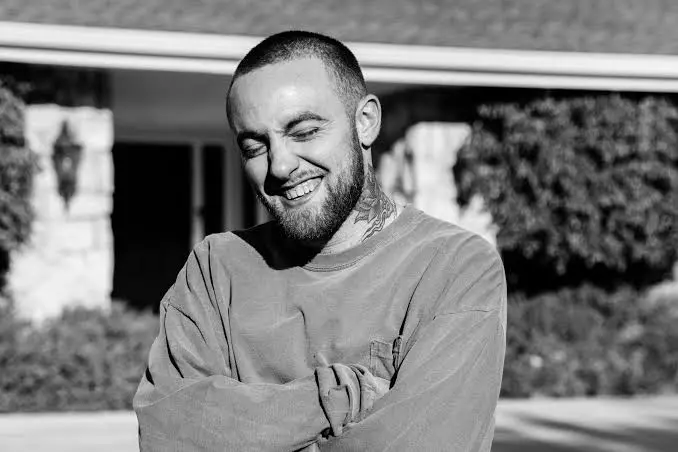
Mac Miller died on September 7, 2018, from accidental mixed drug toxicity involving fentanyl, cocaine, and alcohol. He was only 26, and his death brought attention to the dangers of counterfeit pills and illicit fentanyl distribution.
However, his story should not be defined by the circumstances of his passing alone. From his early Pittsburgh mixtapes to the artistic growth displayed in Swimming, Circles, and Balloonerism, Miller demonstrated an ability to evolve as a musician and connect with listeners through honest songwriting.
Years after his death, his music continues to reach new audiences. His legacy lives on through his recordings, his influence on hip-hop, and the charitable work established in his name.
Beyond the music industry, celebrity stories also explore the personal lives and achievements of well-known entertainment figures. Keely Shaye Smith, best known as the wife of actor Pierce Brosnan, has established her own identity as a journalist, documentary filmmaker, and environmental activist. Her journey offers an interesting look at a public figure whose professional achievements extend beyond her Hollywood connection.
While Mac Miller built his legacy through music, other celebrities have accumulated wealth and recognition through sports and entertainment. Former NFL and MLB star Deion Sanders has enjoyed a multifaceted career as an athlete, coach, and media personality. Explore Deion Sanders’ net worth in 2026, career achievements, and sources of wealth to learn more about his financial journey.