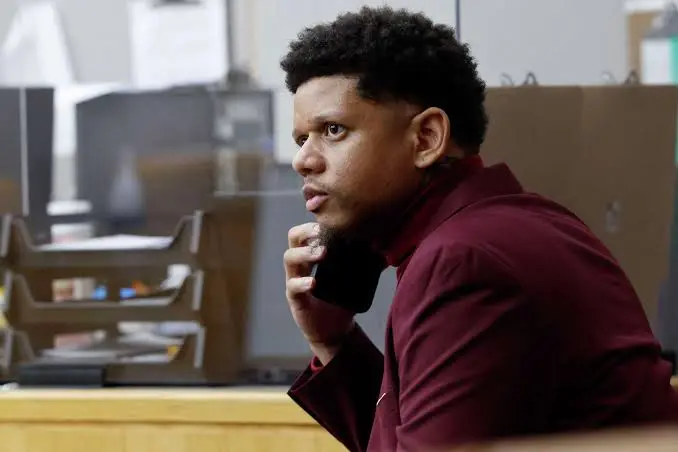
The Yella Beezy verdict has brought one of Dallas hip-hop’s most closely watched criminal cases to a major turning point. On November 11, 2026, a Dallas County jury found the rapper guilty of capital murder in connection with the 2020 killing of fellow Dallas artist MO3. According to the Associated Press report on the conviction, the jury unanimously convicted Conway, who was subsequently sentenced to life in prison without the possibility of parole.
The verdict arrived exactly six years after MO3 was fatally shot on Interstate 35E in Dallas. The decision followed weeks of courtroom testimony involving financial transactions, cellphone evidence, witness statements, and surveillance material.
The case has attracted considerable attention because of the artists’ previous rivalry, the prosecution’s murder-for-hire allegations, and the evidence presented during the trial.
Here are six important details about the verdict, the evidence, the trial, and what happens next.
1. Who Is Yella Beezy? Understanding His Rise in Dallas Hip-Hop
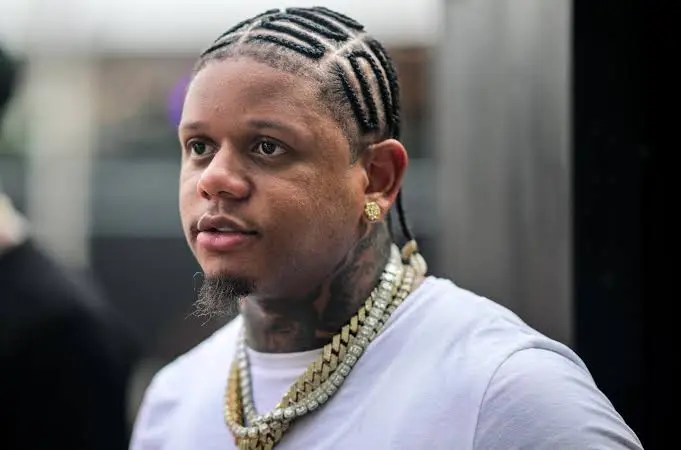
Yella Beezy, whose legal name is Markies Deandre Conway, is a rapper from Dallas, Texas. He developed his musical identity through the city’s Southern hip-hop scene before gaining wider recognition through his distinctive delivery and commercially successful singles.
His breakthrough arrived with the 2017 track “That’s On Me,” which became a significant success and introduced his music to a much larger audience. The song eventually reached the Billboard Hot 100.
He followed that success with projects including Ain’t No Goin’ Bacc and Baccend Beezy. His collaborations with established artists further increased his visibility.
In 2018, he also performed as an opening act during Jay-Z and Beyoncé’s On the Run II tour, marking another important moment in his career.
For more background on his career and musical journey, readers can explore XXL Magazine’s profile of Yella Beezy.
For a period, Yella Beezy was among the recognizable names associated with Dallas’s growing hip-hop movement. However, his professional achievements would later become overshadowed by the investigation into MO3’s murder and the criminal proceedings that followed.
The lives of public figures often attract attention beyond their professional achievements, particularly when personal relationships and family stories become part of their public narrative. Readers interested in lesser-known celebrity life stories can also explore Michael Galeotti’s life story and passing, which looks at his background, personal life, and the circumstances surrounding his death.
2. What Happened Between Yella Beezy and MO3?
MO3, whose real name was Melvin Noble, was another prominent Dallas rapper. He developed a dedicated audience through his emotional delivery, storytelling, and songs reflecting experiences associated with his upbringing.
His music, including “Errybody,” helped establish his position in the regional rap scene.
The relationship between MO3 and Yella Beezy became controversial amid an ongoing rivalry. Prosecutors later described tensions between the two artists as part of the background to the murder investigation.
According to NBC 5 Dallas-Fort Worth’s trial coverage, prosecutors alleged that the conflict between Conway and Noble dated back to 2017.
The prosecution argued that the killing was not simply an isolated encounter between individuals but part of an alleged murder-for-hire arrangement.
However, a musical rivalry alone does not establish responsibility for a criminal act. The prosecution ultimately had to convince jurors that Conway was involved in arranging the killing.
3. How Did MO3 Die? Revisiting the November 2020 Shooting
On November 11, 2020, MO3 was driving along Interstate 35E in Dallas when he was attacked in broad daylight.
According to the Associated Press’s detailed account of the murder case, an armed gunman wearing a mask chased Noble along the interstate and fired more than 40 rounds. MO3 was fatally shot at the age of 28.
The incident shocked Dallas’s hip-hop community and attracted national attention. The fact that the shooting happened on a busy interstate during daylight hours made the circumstances particularly disturbing.
Investigators eventually identified Kewon White as the gunman. White was prosecuted separately and found guilty of capital murder in September 2026.
The investigation continued beyond the gunman’s conviction, with prosecutors pursuing the allegation that Conway had arranged and financed the attack.
The Dallas County District Attorney’s official announcement provides an account of the case and confirms the outcome of the prosecution against Conway.
4. What Evidence Led to the Yella Beezy Murder Trial Verdict?
The prosecution’s case against Yella Beezy involved several categories of evidence. Among the most discussed were financial transactions, cellphone records, witness statements, and surveillance material.
The alleged $40,000 payment
One of the central issues involved an alleged $40,000 payment connected to the killing.
Prosecutors argued that Conway arranged for Kewon White to carry out the murder and paid him $40,000 for the attack.
The Associated Press reported on the prosecution’s financial allegations, explaining how the alleged payment formed part of the state’s murder-for-hire theory.
The defense challenged that interpretation, arguing that the prosecution had not established Conway’s involvement beyond a reasonable doubt.
Cellphone records and communications
Digital evidence also played a major role.
Investigators examined cellphone activity involving Conway, White, and other individuals connected to the investigation.
According to FOX 4 Dallas-Fort Worth’s coverage of the verdict and trial evidence, prosecutors highlighted digital communications, mapping evidence, and other investigative findings during their presentation.
The defense challenged the prosecution’s interpretation of the evidence and argued that the records did not establish the alleged murder arrangement.
A witness changes his testimony
Another important courtroom development involved rapper Theodore Thomas, professionally known as Jose Bodega.
Thomas had previously provided grand jury testimony concerning the alleged feud and payment arrangement.
However, when questioned during the trial, he disputed his earlier statements and described parts of his previous account as fabricated.
Prosecutors confronted him with his earlier testimony, while the defense questioned his credibility and possible motivations.
Surveillance footage and other testimony
Jurors also heard testimony concerning the movements of individuals connected to the investigation and viewed surveillance footage.
The FOX 4 trial report provides additional coverage of the prosecution’s arguments and the evidence presented in court.
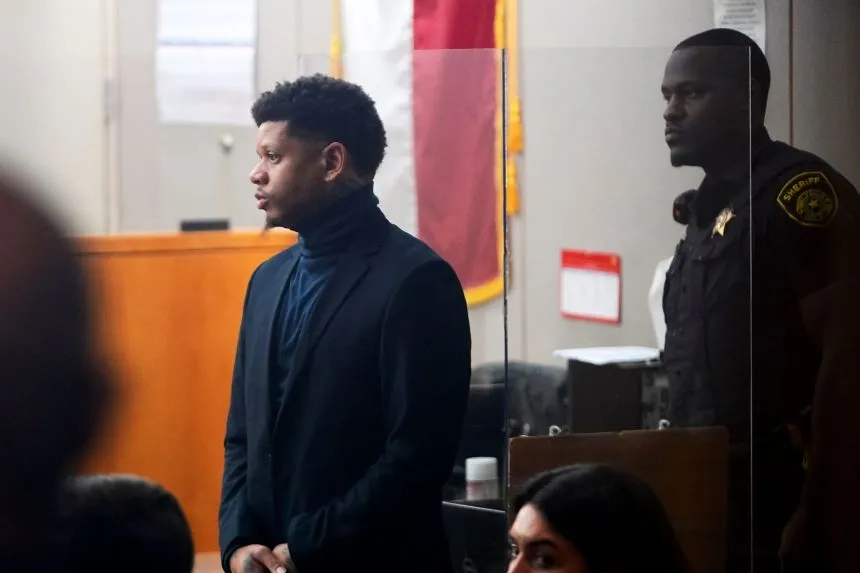
The defense maintained that the prosecution’s interpretation of the evidence was flawed. Nevertheless, jurors ultimately accepted the state’s case and returned a guilty verdict.
5. Yella Beezy Found Guilty: Did He Get Sentenced?
Yes. Yella Beezy was found guilty of capital murder on November 11, 2026.
The unanimous verdict was delivered by a Dallas County jury, exactly six years after MO3’s death.
According to FOX 4 News, Conway was immediately sentenced to life in prison without the possibility of parole.
The NBC 5 report on the courtroom verdict also documented the emotional reaction following the announcement. Conway asked to kiss his young son before being taken into custody.
His attorney, Toby Shook, expressed disappointment with the decision and indicated that the defense intended to pursue an appeal.
The conviction represents a significant legal development for the Dallas rapper, whose career had previously included mainstream recognition and successful musical releases.
6. Is Yella Beezy in Jail Now? What Happens After the Verdict?
Following his November 11 conviction and life sentence, Yella Beezy was taken into custody.
He is no longer awaiting trial in the MO3 murder case. Instead, he is serving a life sentence without the possibility of parole.
His legal team has indicated plans to appeal the conviction, arguing that there are grounds to challenge the jury’s decision.
As NBC 5 reported following the verdict, Conway’s case will proceed through the automatic appeals process.
An appeal is a separate legal process in which higher courts examine potential errors in the proceedings. It does not automatically overturn a conviction or release someone from custody.
Another individual connected to the case, Devin Brown, remains a separate defendant. His legal proceedings are distinct from Conway’s conviction.
The case therefore continues to have implications beyond the two men whose convictions have already been secured.
How Did Yella Beezy’s Mother Pass Away?
Questions about Yella Beezy’s family have also attracted attention following the verdict.
However, there is no sufficiently verified public reporting establishing how his mother passed away or confirming the circumstances of her death.
It is important not to confuse reports about his mother’s life with information about his father. These are separate family matters, and claims about either should be supported by reliable reporting.
Without a credible interview, family statement, obituary, or other reliable source confirming the circumstances, claims about his mother’s death should not be presented as established fact.
Final Thoughts: The Lasting Impact of the Yella Beezy Verdict
The Yella Beezy verdict marks a significant moment in the story of Dallas hip-hop and the long-running investigation into MO3’s death.
What began as an investigation following a daylight shooting on Interstate 35E developed into a complex murder-for-hire prosecution involving financial evidence, digital records, witness testimony, and competing courtroom arguments.
On November 11, 2026, a jury found Conway guilty of capital murder, and the judge sentenced him to life in prison without the possibility of parole.
Although his legal team plans to appeal, the conviction has fundamentally changed the trajectory of his life and career.
For MO3’s family, supporters, and the wider Dallas music community, the verdict represents a major development in a case that remained unresolved for six years.
The story also serves as a reminder of the devastating consequences of violence and the lasting impact it can have on families, communities, and the music industry.